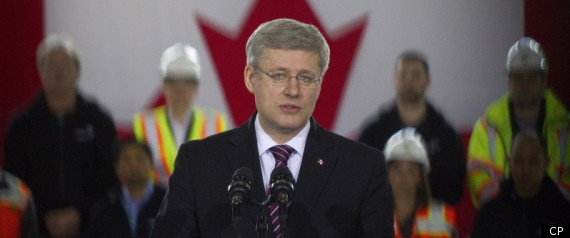
Stephen Harper’s name will be praised in many Canadian homes over the March break thanks to his intervention in the Air Canada labour dispute. And no wonder. With 1.4 million people eager to fly on that airline over the next two weeks, the news that there will be no lockout of pilots or strike by mechanics and baggage handlers means relief and joy as countless vacations, as well as important business trips, are a go.
But if the government’s intrusion into this disagreement wins cheers, it also deserves closer examination because it is worrying, both on its own and as part of a pattern.
Air Canada is a private company that was involved in delicate labour negotiations with a private sector union. Under Canadian law, both of these parties have a right to go through the collective bargaining process unhindered by politicians. The government should suspend this right only under the most dire of circumstances. But the government has yet to fully or convincingly explain why it had to act as it did. Saying that a work stoppage would create massive inconvenience is no justification.
But if the government’s intrusion into this disagreement wins cheers, it also deserves closer examination because it is worrying, both on its own and as part of a pattern.
Air Canada is a private company that was involved in delicate labour negotiations with a private sector union. Under Canadian law, both of these parties have a right to go through the collective bargaining process unhindered by politicians. The government should suspend this right only under the most dire of circumstances. But the government has yet to fully or convincingly explain why it had to act as it did. Saying that a work stoppage would create massive inconvenience is no justification.