At a town-hall meeting in Green Bay, Wisconsin, last March, Donald Trump was prompted for his views about abortion. He’d been pro-choice once, but as a Presidential candidate he was an eager, if ill-informed, pro-lifer. Much of his answer took the form of free-floating clauses, like dialogue from a bad experimental play, which made his actual positions challenging to parse. But Trump did manage to make one point clearly, and to repeat it. When the interviewer, Chris Matthews, of MSNBC, asked whether women who’d had abortions should be punished, Trump answered in the affirmative.
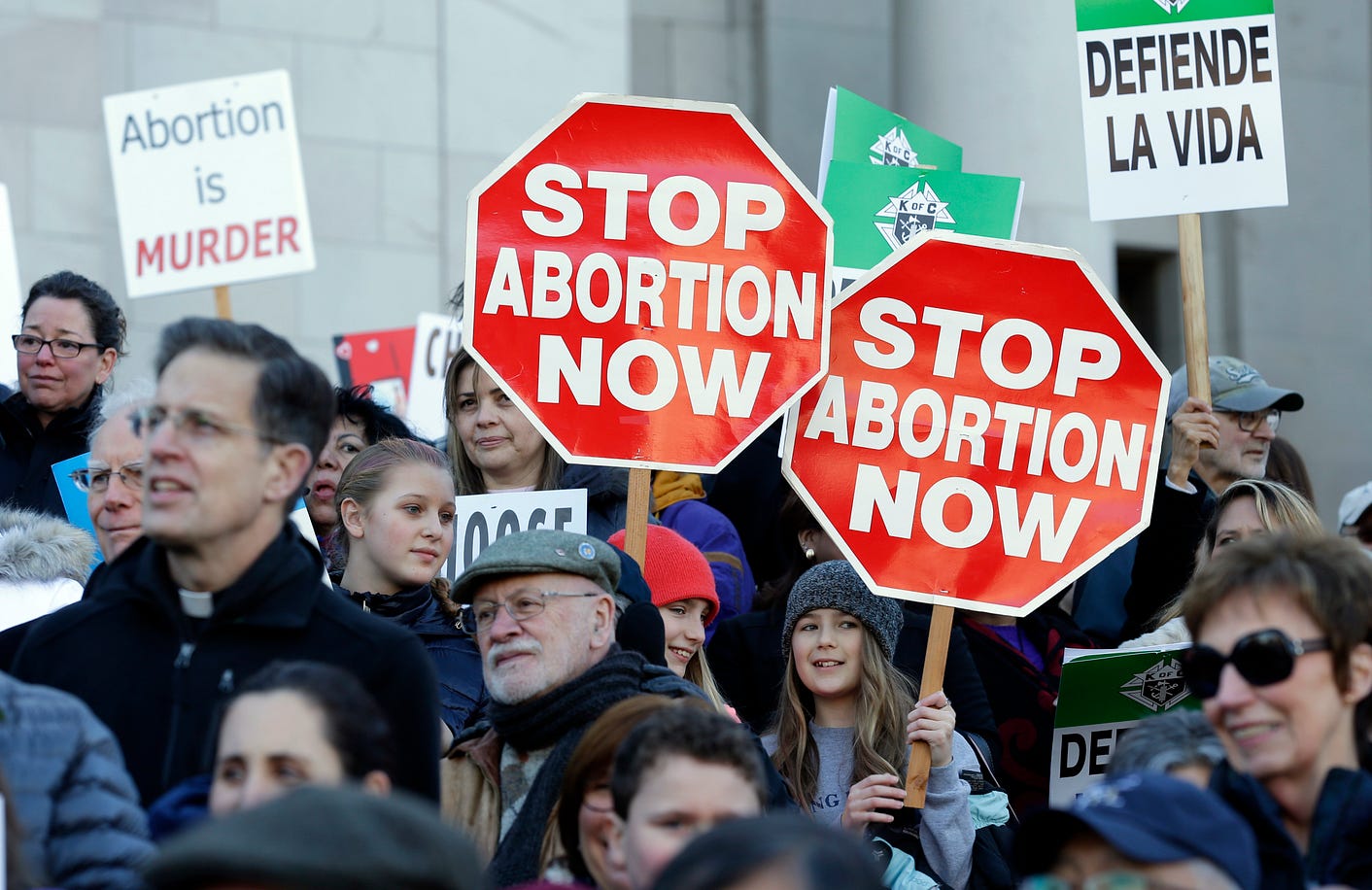
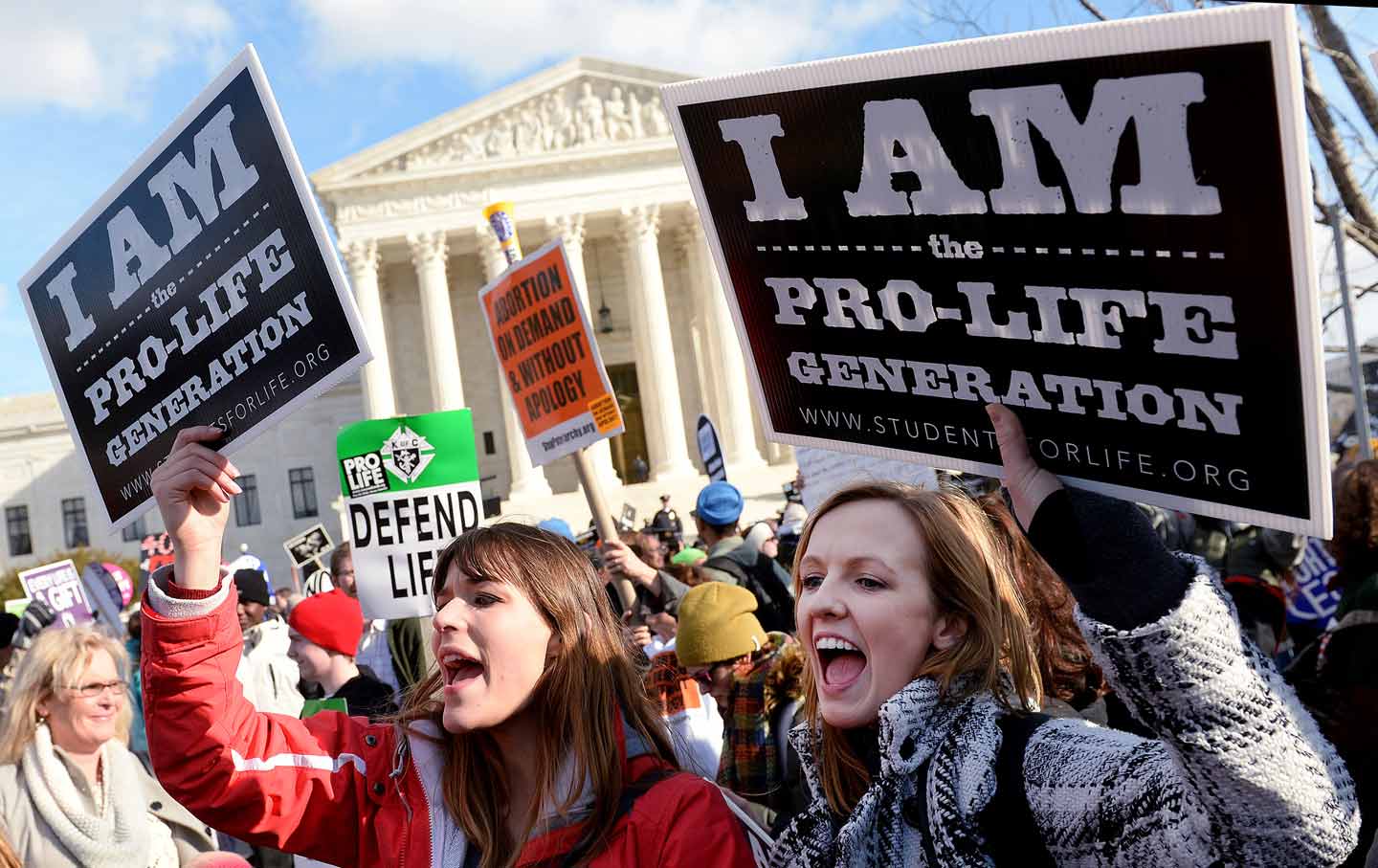
Politically speaking, this was not good. In recent years, the anti-abortion movement has tried hard to show that it cares as much about women as it does about fetuses. Right-to-life groups criticized Trump’s wayward messaging, and, later that day, his campaign issued a statement explaining that it was actually doctors who ought to be punished if abortion were made illegal again: “The woman is a victim in this case as is the life in her womb.”