 After BP's Deepwater Horizon well blowout in April 2010, responders dumped approximately 1.84 million gallons of chemical dispersants into the Gulf of Mexico in an effort to stop the oil slick from fouling fragile coastal environments. The use of such a massive quantity of dispersants, coupled with serious gaps in knowledge about the possible environment impacts of dispersant use, prompted a public outcry and led the United States Environmental Protection Agency to publicly rebuke the company and order them to use fewer (and less toxic) dispersants.
Showing posts with label Bill C-22. Show all posts
Showing posts with label Bill C-22. Show all posts
Thursday, March 12, 2015
Analysis: What Bill C-22 Means For Oil Spill Cleanup in Canada
After BP's Deepwater Horizon well blowout in April 2010, responders dumped approximately 1.84 million gallons of chemical dispersants into the Gulf of Mexico in an effort to stop the oil slick from fouling fragile coastal environments. The use of such a massive quantity of dispersants, coupled with serious gaps in knowledge about the possible environment impacts of dispersant use, prompted a public outcry and led the United States Environmental Protection Agency to publicly rebuke the company and order them to use fewer (and less toxic) dispersants.Thursday, December 11, 2014
Bill C-22 Would Rewrite The Rules For Oil Spill Cleanups
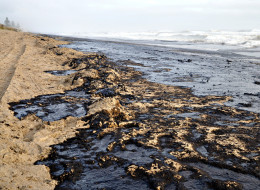
Bill C-22 was introduced by the Federal Minister of Natural Resources earlier this year.
It would pre-approve emergency plans for oil and gas companies to deal with oil spills, such as the speedy use of dispersants, or chemicals used to break oil into smaller particles in the event of an oil spill at sea.
Subscribe to:
Posts (Atom)