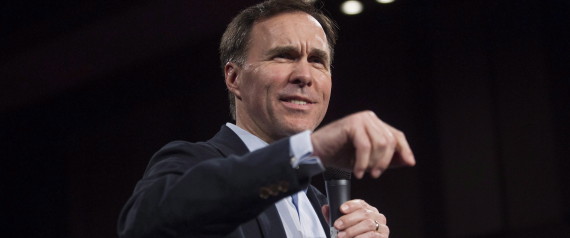
Toby Sanger says these tax loopholes — which have grown more generous since the late 1990s — have increased inequality and led to greater financial instability.
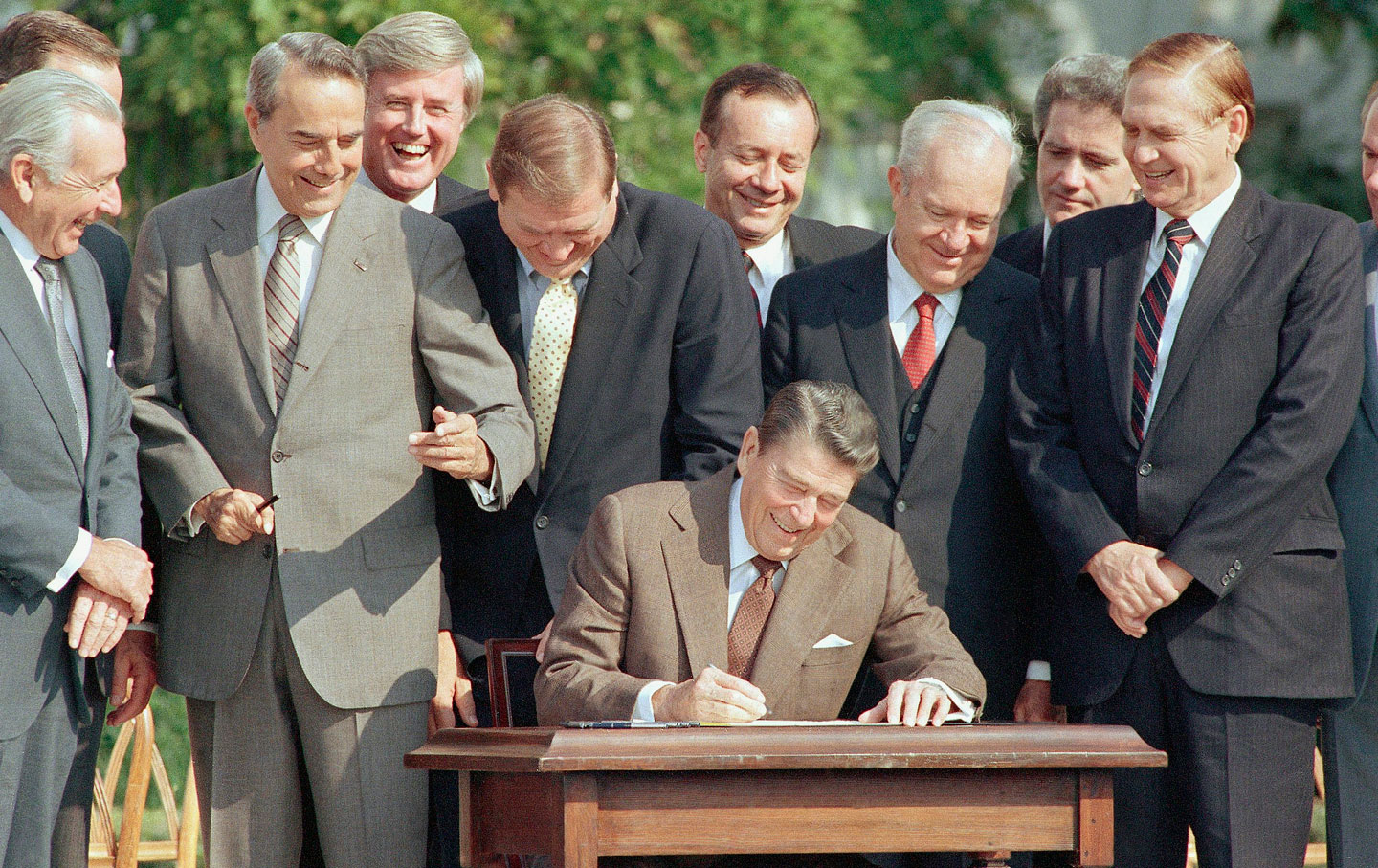


 As fast-food workers stage a one-day strike, a new report exposes how
the industry’s CEOs have not just saved money by paying workers low
wages, but have used the government to subsidize their own
million-dollar salaries with taxpayer dollars. That is because a
loophole in the tax code lets companies deduct the costs of
performance-based executive pay. We are joined by Sarah Anderson,
director of the Global Economy Project at the Institute for Policy
Studies and author of the new report, "Fast Food CEOs Rake In
Taxpayer-Subsidized Pay."
As fast-food workers stage a one-day strike, a new report exposes how
the industry’s CEOs have not just saved money by paying workers low
wages, but have used the government to subsidize their own
million-dollar salaries with taxpayer dollars. That is because a
loophole in the tax code lets companies deduct the costs of
performance-based executive pay. We are joined by Sarah Anderson,
director of the Global Economy Project at the Institute for Policy
Studies and author of the new report, "Fast Food CEOs Rake In
Taxpayer-Subsidized Pay."

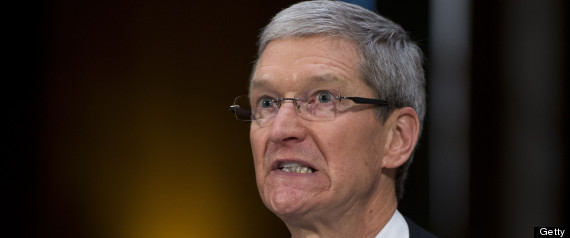



 It's no secret that many multinationals have become particularly adept at exploiting tax loopholes. Nor is it a surprising that the U.S. federal deficit is widening as a result. What's not as publicized, however, is that developing nations are also feeling the heat.