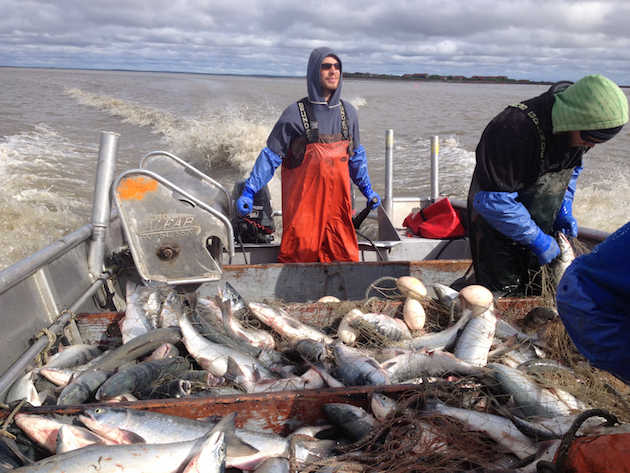
July 4 marks the peak of the largest, most valuable wild salmon run left in America.
The sockeye salmon migration into Bristol Bay, Alaska, can exceed 40 million fish. As they charge into the Kvichak and Nushagak rivers and fan out across myriad tributaries, the sockeye and four other species of Pacific salmon are pursued by commercial and sport fisheries valued at over half a billion dollars. When they reach the region’s clear, wild headwaters, those millions of salmon spawn and produce billions of offspring that then find their way down into Iliamna, Alaska’s largest lake. Then the fish head out toward the Bering Sea, get big and fat on omega-3-rich krill, and in three more years return to their headwaters to begin the cycle anew. Whether marketed to Americans or exported to other countries, Bristol Bay salmon are a major bulwark against America’s “seafood deficit,” which in 2016 exceeded $14 billion.
