
Showing posts with label World Bank. Show all posts
Showing posts with label World Bank. Show all posts
Wednesday, March 16, 2016
The World Bank Is Supposed to Help the Poor. So Why Is it Bankrolling Oligarchs?
The World Bank's Anti-Poverty Push Made These Controversial Tycoons Even Richer
A branch of the World Bank called the International Finance Corporation is tasked with helping the bank end extreme poverty and "boosting shared prosperity." Today,the IFC is a moneymaker for the rest of the World Bank and finances the private sector in developing countries via loans and direct investments. The beneficiaries of the IFC's largesse have included dozens of multinational corporations and private enterprises that are owned or controlled by some of the world's richest people. Here are some of the IFCs most controversial beneficiaries:

Miguel Facussé Barjum Corp Dinant/Flickr
MIGUEL FACUSSÉ BARJUM
CORPORACIÓN DINANT
IFC INVESTMENT: $30 MILLION
The late Honduran oligarch, who died in June, founded a manufacturing giant that owns 20,000 acres of palm plantations in Bajo Aguán, Honduras.Described by the Los Angeles Times as "colorful" and "often ruthless," Facussé presided over a company that has been dogged by allegations of using a private security force to forcibly evict families from the land near its plantations.
Tuesday, June 30, 2015
Leaked Survey: World Bank A Place Of 'Fear And Retaliation'
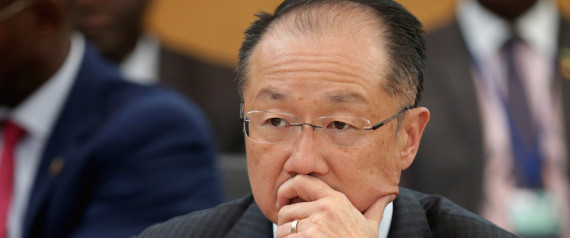
“The World Bank has evolved into a place of fear and retaliation,” one employee said, according to a 163-page compilation of open-ended comments that were submitted last year as part of an in-house bank survey. “Intellectual debate is no longer welcome. Management is inept and there is no captain in this ship. Senior management does not know its own organization ... only fear, fear, fear.”
Monday, April 27, 2015
Gold Rush -- How The World Bank Is Financing Environmental Destruction
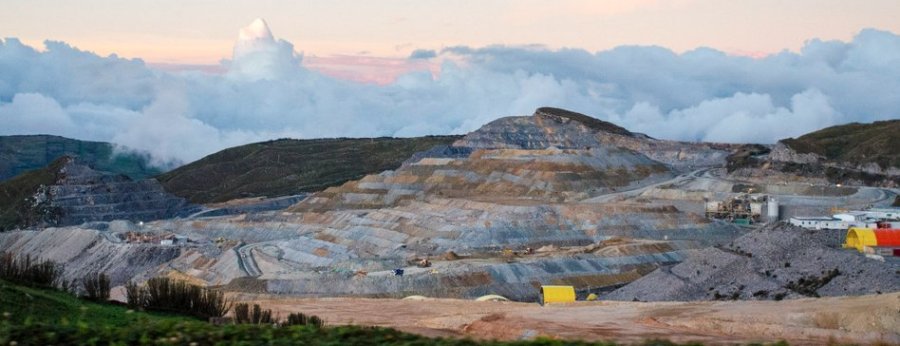
On Sept. 8, 2013, Flores drove her flock across a dirt road that crosses her family’s rocky green fields and down to a stream.
After the sheep drank their fill, something went wrong.
Burned Out - World Bank Projects Leave Trail Of Misery Around Globe
After her mother-in-law told her that rangers from the Kenya Forest Service were on their way, Chepkemoi strapped her 1-year-old son on her back and hurried to her thatched-roofed home. She grabbed two tins of corn, blankets, plates and cooking pans, and hid in a thicket.
She watched, she said, as the green-uniformed rangers set her house ablaze.
World Bank breaks its own rules as millions lose land and livelihoods
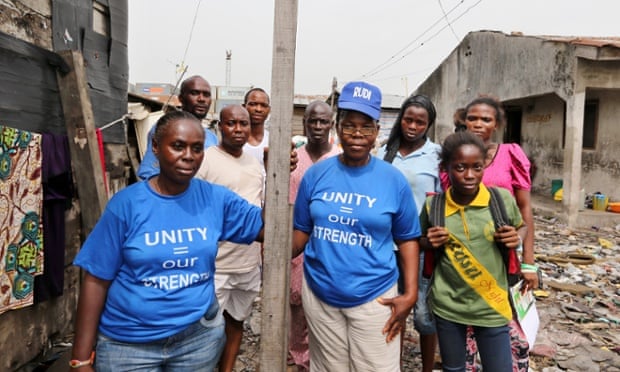
The projects, into which the bank channelled more than $60bn (£40bn), aimed to boost electricity and water supplies and expand transport networks in some of the world’s poorest countries. But they have resulted in more than 1.2 million people in Vietnam being displaced over the past decade, as they made way for dams and power plants funded by the organisation. In addition, more than 1 million people in China were displaced by about $12bn of bank investment.
Friday, March 06, 2015
World Bank Admits It Ignored Its Own Rules Designed To Protect The Poor
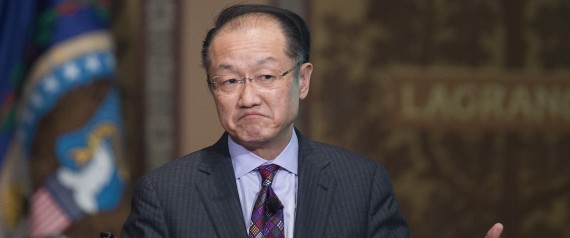
This conclusion, announced by the bank on Wednesday, amounts to a reversal of its previous efforts to downplay concerns raised by human rights activists and others working on behalf of the dispossessed -- people evicted from their land, sometimes in violent ways, to make way for World Bank-financed initiatives.
Saturday, April 19, 2014
Income Inequality: From IMF To World Bank, It's Landing On The Agenda Of Elite Policy Meetings

The past week's global financial meetings heard repeated warnings about inequality and its deleterious effect on economic growth.
Sunday, April 13, 2014
The new shock doctrine: 'Doing Business' with the World Bank

Wednesday, June 19, 2013
Climate Change-Poverty Link Highlighted In World Bank Report
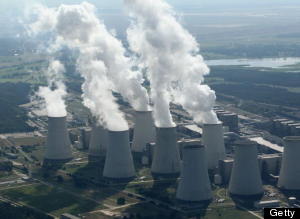
In a report released Wednesday, the international lending institution warned that heat waves, rising seas, more severe storms and other impacts of climate change will trap millions of people in poverty.
Wednesday, November 28, 2012
Why the World Bank should take its own advice on climate change
 The annual UN climate talks are getting underway this week in Doha, Qatar, and so we will be featuring a number of articles looking at the planetary emergency of global warming. Yesterday, Bill Henderson
looked at the latest PR offensive from the oil industry and the lack of
action by the Canadian government to prevent global warming. For a
complete selection of our articles on climate change, check out our
Environment issues page here.
The annual UN climate talks are getting underway this week in Doha, Qatar, and so we will be featuring a number of articles looking at the planetary emergency of global warming. Yesterday, Bill Henderson
looked at the latest PR offensive from the oil industry and the lack of
action by the Canadian government to prevent global warming. For a
complete selection of our articles on climate change, check out our
Environment issues page here. The World Bank delivered a brutal warning about the dangers of runaway climate change and called for rapid action to cut greenhouse gas emissions in a recent report. But don’t expect the bank to take its own advice.
Monday, April 02, 2012
Can the World Bank Be Transformed?
The election of the next president is important, but so, too, will be fundamental change to the bank's institutional structure and its relationship with the BRICS countries and the Global South.
There are three candidates left standing for the World Bank presidency, including two non-Americans. Now, they are proceeding directly to the final, and nominally “transparent,” step: private interviews with the World Bank executive board.
The choice for president is always important, but even more so this time around. Members of the executive board must ask themselves what sort of World Bank is needed in this post-Washington Consensus, BRICS-ascendant, era. Too big to fail – or even, as now, to atrophy – it is clear that the bank must play a more focused role in fighting for inclusiveness and sustainability in the development process. But what should the board be looking for in an innovative and inspirational leader? Are the old “owners” – the United States and Europeans – and the board itself, really ready for change? Or is all this a charade that will simply return us to business as usual?
The signals are confusing. U.S. President Barack Obama has cleverly finessed the process, rejecting the conventional wisdom of selecting a banker or a politician. All who feared the new president might be Larry Summers can relax. Instead, Obama nominated Korean-born Jim Young Kim, a university president who co-founded a major health NGO and is a development practitioner. Whether that “concession” truly earns the Americans the almost inevitable coronation remains to be seen.
There are three candidates left standing for the World Bank presidency, including two non-Americans. Now, they are proceeding directly to the final, and nominally “transparent,” step: private interviews with the World Bank executive board.
The choice for president is always important, but even more so this time around. Members of the executive board must ask themselves what sort of World Bank is needed in this post-Washington Consensus, BRICS-ascendant, era. Too big to fail – or even, as now, to atrophy – it is clear that the bank must play a more focused role in fighting for inclusiveness and sustainability in the development process. But what should the board be looking for in an innovative and inspirational leader? Are the old “owners” – the United States and Europeans – and the board itself, really ready for change? Or is all this a charade that will simply return us to business as usual?
The signals are confusing. U.S. President Barack Obama has cleverly finessed the process, rejecting the conventional wisdom of selecting a banker or a politician. All who feared the new president might be Larry Summers can relax. Instead, Obama nominated Korean-born Jim Young Kim, a university president who co-founded a major health NGO and is a development practitioner. Whether that “concession” truly earns the Americans the almost inevitable coronation remains to be seen.
Sunday, February 19, 2012
World Bank nominees must come from emerging economies

There have been calls for an open, merit-based selection process for the World Bank Group and International Monetary Fund heads since the institutions were first proposed during the Second World War. At that time, the United States was the bulwark multilateralist that stopped John Maynard Keynes’s proposal that the institutions should be run by a U.S.-U.K. duopoly. The U.S. argued for a broader governance arrangement and won in light of overwhelming economic power. In spite of the multilateralist intentions that won out at Bretton Woods in the formal agreements, the “gentleman’s agreement” that was struck informally has let Europe head the IMF and the US head the World Bank virtually without a fight for more than half a century.
Just before the global financial crisis emerged, the G20 called for an “open, merit-based and transparent” presidential selection process. Like the shift from the G8 to the G20, economic power has shifted meaningfully towards emerging economies. As emerging donors become more important, the United States has become less of a sure thing in the multilateral realm. Last year's debacles over the budget ceiling and the recent withdrawal of funding from UNESCO (albeit on foreign policy grounds), as well as in aid initiatives for health and agriculture, have cast a shadow on American global leadership. The euro zone’s protracted problems are further proof that the G8’s once unequivocal leadership in world economic governance is on shaky ground.
Subscribe to:
Posts (Atom)