Just a month after the massacre at Sandy Hook Elementary School in Newtown, Connecticut, President Obama signed nearly two dozen executive actions and proposed a package of legislative initiatives that together represent the most comprehensive effort in decades to reduce what he called "the broader epidemic of gun violence in this country."
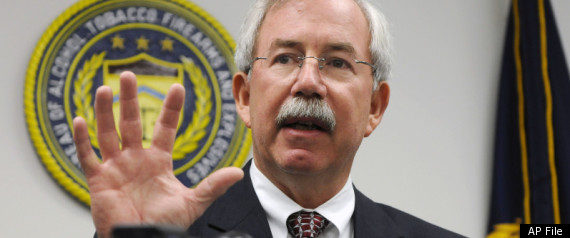
Conspicuously absent from the president's agenda, however, is much of anything that might address the stunning and widespread weaknesses that have for years crippled the federal agency responsible for enforcing the nation's gun laws—the Bureau of Alcohol, Tobacco, Firearms and Explosives. Yes, the president announced his nomination of a full-time director for the long-leaderless agency, and some of the new proposals do tacitly acknowledge a number of ATF's long-standing challenges. But the initiatives are modest, and Congress may not go along with any of them. So for now, the bureau remains systematically hobbled by purposeful restrictions, flimsy laws, impotent leadership and paltry budgets. And it's not at all clear there's anything on the horizon that would change that situation.