Rob Johnston led the investigation by CrowdStrike into the breach, which had been discovered seven months before but largely ignored until May 2016, and he told his story for the first time to Buzzfeed News.

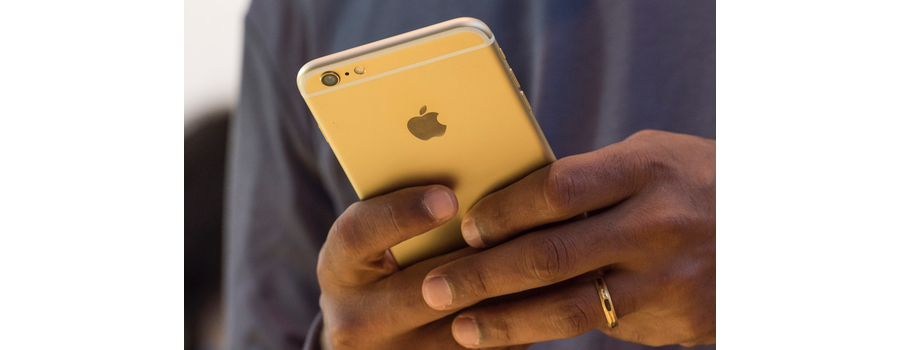
 The Internet, the electronic nervous system of the planet, has changed human society, profoundly altering the way we conduct our lives. It has been a great leveler, allowing people to connect, publish and share on a global scale. You can write, shop and bank online, or organize a demonstration that could overthrow a dictatorship. But the Internet also opens us to intense monitoring, exposing our most personal, private communications to the prying eyes of corporations and government spies, not to mention criminals. One way we can protect ourselves is with encryption, which provides security for our data, allowing us to send and store digital information safely, essentially scrambling the information. In order to unscramble it, you need a key, a password. The ability of regular people to access encryption tools has prompted the governments of both the United States and the United Kingdom to propose special access to all communications. They want a master key to everyone’s digital life.