In 2011, the Occupy Wall Street movement, after being ignored and marginalized by the mainstream media, received worldwide attention. The movement was initially inspired by anti-austerity and activist groups in Europe. It drew attention to rising inequality, corruption, corporate greed -- and the ongoing incestuous marriage between governments and the financial sectors. The movement came to represent the voice of "the 99%,": the voice of the quiet majority that had seen over the last decade, as its wealth and its purchasing power eroded, one financial crisis after another.
Democracy Gone Astray
Democracy, being a human construct, needs to be thought of as directionality rather than an object. As such, to understand it requires not so much a description of existing structures and/or other related phenomena but a declaration of intentionality.
This blog aims at creating labeled lists of published infringements of such intentionality, of points in time where democracy strays from its intended directionality. In addition to outright infringements, this blog also collects important contemporary information and/or discussions that impact our socio-political landscape.
All the posts here were published in the electronic media – main-stream as well as fringe, and maintain links to the original texts.
[NOTE: Due to changes I haven't caught on time in the blogging software, all of the 'Original Article' links were nullified between September 11, 2012 and December 11, 2012. My apologies.]
Showing posts with label Enron. Show all posts
Tuesday, April 19, 2016
Tuesday, August 06, 2013
Larry Summers' Enron Connection Is Yet Another Reason Not To Make Him Fed Chairman
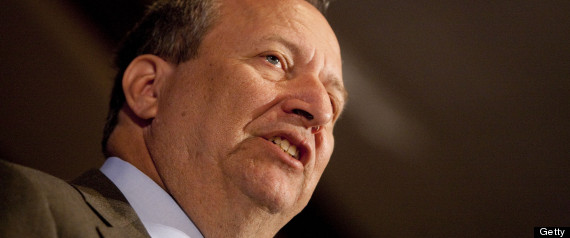
Here's something else to add to the long list of reasons Larry Summers would make a terrible Federal Reserve chairman: He reportedly told California to suck it up when it complained that Enron was manipulating its power market.
According to Kurt Eichenwald's 2005 book about the Enron scandal, "Conspiracy of Fools," then-California Gov. Gray Davis (D) reached out in late 2000 to Summers, who was then the Treasury secretary under President Clinton, for help with the state's little problem of power outages and skyrocketing electricity prices. Davis suspected, rightly, that Enron was toying with the state's electricity supply for fun and profit.
Friday, June 21, 2013
Wednesday, May 08, 2013
Ex-Enron CEO Jeffrey Skilling In Deal To Cut Prison Sentence By 10 Years
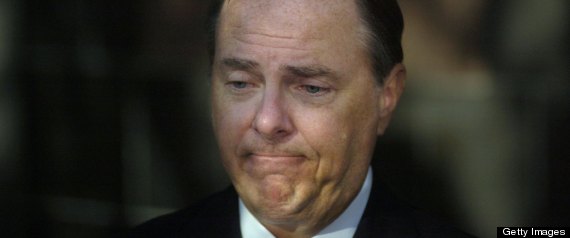
Former Enron CEO Jeff Skilling would be freed from prison by 2017 under a newly proposed deal, CNBC reports. That would reduce Skilling's current sentence by more than a decade.
More from Reuters:
According to court papers on Wednesday, the government and Skilling have agreed to recommend that Skilling be resentenced at a June 21 hearing to a term of 14 to 17-1/2 years, a period that could be reduced for good behavior.
More from Reuters:
According to court papers on Wednesday, the government and Skilling have agreed to recommend that Skilling be resentenced at a June 21 hearing to a term of 14 to 17-1/2 years, a period that could be reduced for good behavior.
Wednesday, July 04, 2012
JPMorgan Chase Manipulation Scandal Raises Specter Of Enron

Did Jamie Dimon break a mirror or something? Because his bank, JPMorgan, once less fallible than the Pope, is suddenly having a terrible run of luck.
The bank's stock price was hit by a series of blows on Tuesday -- including a fresh scandal that raised the specter of Enron -- even as the rest of the stock market rallied.
The biggest blow was probably a New York Times story that the bank pushed mutual-fund clients into its own brand of mutual funds, which performed poorly and charged high fees. The story might make you think that maybe JPMorgan Chase cares only about money and not its clients! And you'd be right.
The bank's stock price was hit by a series of blows on Tuesday -- including a fresh scandal that raised the specter of Enron -- even as the rest of the stock market rallied.
The biggest blow was probably a New York Times story that the bank pushed mutual-fund clients into its own brand of mutual funds, which performed poorly and charged high fees. The story might make you think that maybe JPMorgan Chase cares only about money and not its clients! And you'd be right.
Subscribe to:
Posts (Atom)