Democracy Gone Astray

Democracy, being a human construct, needs to be thought of as directionality rather than an object. As such, to understand it requires not so much a description of existing structures and/or other related phenomena but a declaration of intentionality.
This blog aims at creating labeled lists of published infringements of such intentionality, of points in time where democracy strays from its intended directionality. In addition to outright infringements, this blog also collects important contemporary information and/or discussions that impact our socio-political landscape.

All the posts here were published in the electronic media – main-stream as well as fringe, and maintain links to the original texts.

[NOTE: Due to changes I haven't caught on time in the blogging software, all of the 'Original Article' links were nullified between September 11, 2012 and December 11, 2012. My apologies.]

Showing posts with label G7. Show all posts

Monday, September 25, 2023

G7 takes aim at China over Taiwan Strait

LONDON — G7 foreign ministers urged Beijing to refrain from ramping up “tensions” in the East and South China Seas, amid concern about open conflict with Taiwan.

In a strongly-worded communique issued after two days of face-to-face meetings in London, foreign ministers from the group of advanced economies called on China “to participate constructively in the rules-based international system.”

Thursday, June 25, 2015

Forget the G7 summit – Bilderberg is where the big guns go

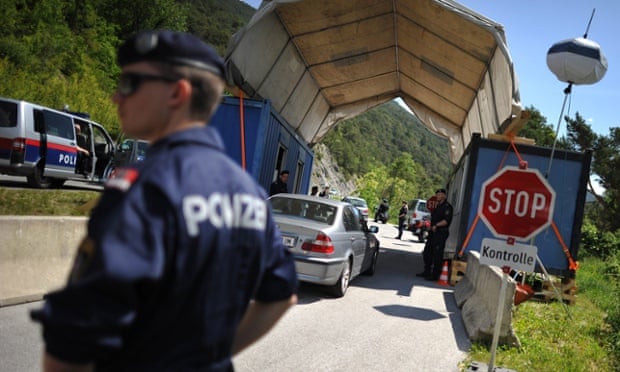
As one summit closes, another opens. Thursday sees the start of the influential Bilderberg policy conference, which this year is being held in Austria, just 16 miles south of the G7 summit, and in a similarly inaccessible luxury alpine resort. The participant list for the conference has just been released by the organisation, and some big names leap off the page.

No fewer than three serving European prime ministers will be attending, from the Netherlands, Finland and Belgium. They will be discussing “European strategy” with the head of Nato, Jens Stoltenberg, and the president of Austria, Heinz Fischer. Two European finance ministers are on the list: one Dutch, the other George Osborne. The UK chancellor is a regular attendee of the Bilderberg summit, and this year he will be showing off his post-election glow. Unlike that other Bilderberg regular, Ed Balls, who is being invited back despite having by some considerable distance the weakest job title on the list: “former shadow chancellor of the exchequer.

G7 false commitments won't help us tackle 7 million air pollution deaths

During the hour that it took the world's elite G7 politicians discussing climate change to wander through an enchanting meadow of flowers in Germany's Bavarian Alps earlier this week, at least 800 people died prematurely from the impact of air pollution, most of it caused by the burning of non-renewable fossil fuels.
Wanting to show the world -- particularly voters at home -- that they care about the seven million people a year dying from various pollution and carbon related causes, the leaders of the world's richest countries, including Canada, signed a joint declaration calling for a global phasing-out of fossil fuels 85 years from now.

G7 puts Canada on the spot, calls for low emissions in energy sector

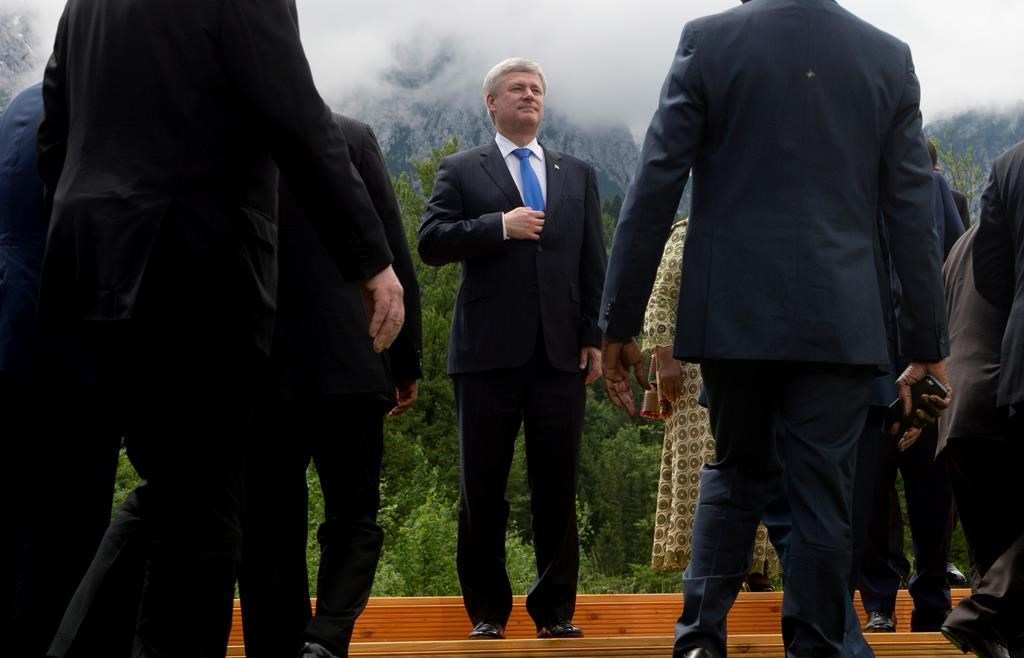
SCHLOSS ELMAU, Germany — Canada's energy sector will have to transform itself to lower greenhouse gas emissions in the long term, Prime Minister Stephen Harper said Monday.
He was commenting at the end of the G7 leaders' summit which called on its members to put their energy sectors on a low-carbon footing by 2050, a move with serious implications for Canada's greenhouse-gas-emitting oilsands.

German Chancellor Angela Merkel fell short of her goal of pushing her fellow leaders to a broad, iron-clad commitment to a low-carbon economy by 2050. Instead, the G7 agreed to a full-blown no-carbon economy, but not until 2100.

Energy experts take issue with Harper's G7 carbon pledge

In 2011 Canada withdrew from the Kyoto Accord. In 2013, it shut down the National Round Table on the Environment and the Economy (NRTEE). In 2014, Canada was accused of poor practices and delayed emission reduction policies by its federal Environment Commissioner.

For years, such events have stained the environmental legacy of Stephen Harper, who just last weekend pledged to go fossil fuel-free by 2100 with leaders at the Germany G7 summit. The commitment is internationally applauded, but some academics are taking the unusual step of questioning the merit of the prime minister’s pledge after years of failed go-green promises.