Democracy Gone Astray

Democracy, being a human construct, needs to be thought of as directionality rather than an object. As such, to understand it requires not so much a description of existing structures and/or other related phenomena but a declaration of intentionality.
This blog aims at creating labeled lists of published infringements of such intentionality, of points in time where democracy strays from its intended directionality. In addition to outright infringements, this blog also collects important contemporary information and/or discussions that impact our socio-political landscape.

All the posts here were published in the electronic media – main-stream as well as fringe, and maintain links to the original texts.

[NOTE: Due to changes I haven't caught on time in the blogging software, all of the 'Original Article' links were nullified between September 11, 2012 and December 11, 2012. My apologies.]

Showing posts with label Recession. Show all posts

Tuesday, September 15, 2015

Surplus during recession seems like bad economic planning

If the time for deficit spending is when the economy is in recession, then the Harper government seems to have got it backwards.

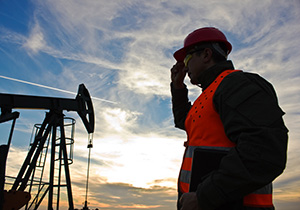
According to the latest figures, during the years when Canada was reaping the staggering benefits of an oil and commodities boom, the government piled on more debt. We now know that it was only after the economy began shrinking and needed help that the government squeezed out a surplus.

How Harper got his surplus … and why it may not matter

Back in black … I hit the sack
I been too long, I’m glad to be back

While I’m not sure AC/DC would approve, their lyrics aptly describe the Conservatives’ reaction to the unanticipated surplus of $1.9 billion announced for fiscal 2014-2015. The country’s finances are out of the red for the time being; the Tories figure their electoral prospects ought to be as well.

Saturday, September 12, 2015

55% Chance Of Made-In-China World Recession, And Rich Countries Are Out Of Ammo: Citigroup

The U.S.’s fourth-largest bank is betting the world is headed for a recession.

In a note published Tuesday, the chief economist at Citigroup, Willem Buiter, said the global economy faces a 55 per cent chance of falling into recession, thanks to the downturn in China.

What’s worse, Buiter believes that developed countries can do little to stop it, because they’ve already used up their ammunition fighting the last economic slowdown.

Friday, September 04, 2015

It's a Recession: Now, Who's Hurting and Where?

Canada earned official recession status yesterday, a fact that pundits and politicians on the campaign trail wasted no time trying to spin.

According to the latest Statistics Canada data, the country's gross domestic product shrank by 0.5 per cent (annualized) in the second quarter of this year, following a 0.8 per cent (annualized) decline in the first quarter.

Reacting to the news, the Conservatives played up the fact that the economy improved this quarter over last -- though party leader Stephen Harper refused to utter the word "recession" at media stops in Ontario.

Recession Election: Leaders, Give Us a Grown-up Debate

Canada now officially in a recession, politicians have been falling over each other to make economic promises they cannot keep, all the while firmly stuck in the muck of a right-wing frame. The debate has mostly been limited to whether there will be a deficit and how big, rather than the real questions of who the economy works for and why.

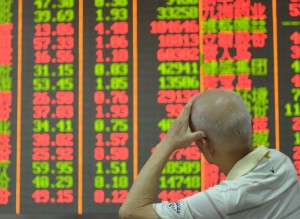
Last week saw wild swings in global stock markets. While it's important to remember that the stock market is not the economy, a lot of global economic fragility and instability affects Canada. The price of oil is at lows unseen in years with no sign of an upswing. China is turbulently moving from faster, investment-led growth to slower, consumption-led growth. Europe is performing ritual suicide in the name of paying off unpayable debts.

‘Joe Where?’ Missing finance minister attracts NDP jibes on campaign trail

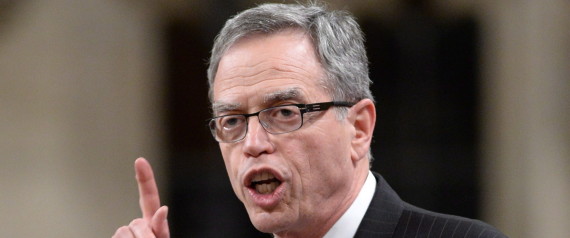
OTTAWA — Former Progressive Conservative prime minister Joe Clark may remain the most famous Joe in Canadian election annals, but the "Joe Who?" moniker that followed the underdog Clark may be about to get a run for its money from current Finance Minister Joe Oliver.

With the 2015 election trail ablaze with talk of recession and the significance of Tuesday's latest economic growth numbers, Oliver is being ridiculed by New Democrats as "Joe Where?"

Oliver, 75, has been all but absent from the Conservative party's campaign so far, although he's running for re-election in Toronto, the country's media and financial mecca. He cancelled scheduled talks at two Toronto clubs last week and this week without explanation.

IF YOU visit south-western Ontario and the Niagara peninsula you will see scenes of industrial decay. Steel mills, vehicle-parts factories and food processors sit abandoned, their car parks studded with tufts of grass. The region has the look of a rustbelt, and that has Canadians worried.

Manufacturing took a beating in the late 2000s and early 2010s, when high oil prices drove up the value of the Canadian dollar, making factories less competitive. But Canada should now be recovering from that bout of Dutch disease. The “loonie”, as Canadians call their currency, has been dropping along with oil prices. On August 25th it fell to its lowest level in a decade against the American dollar. That, plus the strong economy in the United States, the market for three-quarters of Canada’s exports, should have scraped off much of the rust.

Harper avoids recession talk on eve of report

Conservatives are distancing themselves from their own definition of a recession on the eve of a key Statistics Canada report that will show whether the country’s economy shrank for a second consecutive quarter.

Stephen Harper sidestepped questions Monday about how to define a recession as the Conservative Leader noted that broader factors should be taken into account when looking at the economy.

Monday, August 31, 2015

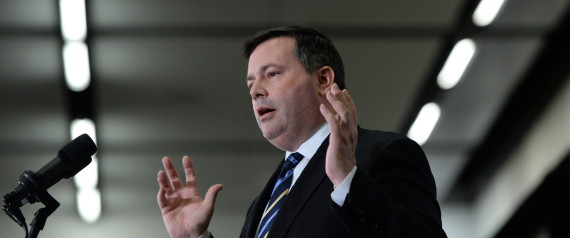
Jason Kenney Touts Broader Definition Of 'Recession'

Conservative candidate Jason Kenney laid the groundwork for a broader definition of "recession" just a few short days before GDP numbers for the second quarter of 2015 are set to be released.

"Most economists define a recession as a widespread downturn in the economy," Kenney told host Rosemary Barton on CBC News Network's Power & Politics on Sunday.

Saturday, August 29, 2015

Country bracing for 'made in Canada' recession: former chief statistician

As Canada braces for the anticipated confirmation next week that it’s in a recession, a former chief statistician says the country has no one else to blame but itself.

Munir Sheikh told CTV’s Power Play on Thursday that the country is likely headed into a “made in Canada recession,” especially given recent news that the U.S. economy grew 3.7 per cent in the last quarter.

“Obviously we are doing something in this country, given that three quarters of our exports go to the U.S., which will make the economy pretty weak. So to some extent, our recession is a made in Canada recession.”

Friday, July 31, 2015

Canada's Economy Shrinks For 5th Straight Month; Recession Virtually Unavoidable

Canada's economic contraction accelerated in May, shrinking 0.2 per cent on the month, Statistics Canada said Friday.

That marks the fifth straight month that the economy has shrunk, with every month since the start of the year registering a negative number. The rate of decline in May was twice that in April, when the economy shrank 0.1 per cent.

Wednesday, July 29, 2015

Joe Oliver Says No To Quantitative Easing

TORONTO - Finance Minister Joe Oliver says he doesn't see any need for quantitative easing, despite concerns that the country may have fallen into a recession.

"We don't see any need for quantitative easing in this environment," Oliver said Tuesday at Ryerson University in Toronto, where he was promoting an expanded free trade agreement with Israel.

"I mean, after all, we've seen 90,000 jobs created this year, and we look forward to a positive year of growth.

The Conservatives Have Steered Canada Into a Preventable Recession

Bank of Canada Governor Stephen Poloz didn't actually use the "R" word: recession. But his monetary policy report last Wednesday said it all the same, using numbers instead of words. By projecting that Canada's economy shrank 0.5 per cent in the second quarter of 2015 (following a similar decline in the first quarter), the Bank joins a growing list of others who have concluded that Canada's economy is now in recession (traditionally defined as two consecutive quarters of negative growth).

Sunday, July 26, 2015

Canada doesn’t need new measures to boost economy, Finance Minister Joe Oliver says

OTTAWA—Finance Minister Joe Oliver says no new economic measures to boost the economy are needed because Canada will not be in a recession at year’s end, despite gloomier private sector economic forecasts.

Trying to calm a jittery economy, Oliver stuck to the Conservative government’s calculation that Canada would see overall positive economic growth this year. He said his main concern is “external factors” but said the federal budget would remain balanced in the face of falling oil prices and dismal trade numbers.

Saturday, July 25, 2015

Canada is already in a recession, says Bank of America, and the loonie is set to get hammered

Bank of America Merrill Lynch has become the first bank to call for a Canadian recession this year.

Economist Emanuella Enenajor and her team now say that Canada’s economy will shrink by 0.6 per cent in the second quarter, following a 0.6 per cent contraction in the first. The definition of a recession is two consecutive quarters of contraction.

A recession sets up the Bank of Canada for another rate cut this year, said Enenajor, and she expects that the downturn will hammer the Canadian dollar — knocking it down to just under 77 cents U.S. by early 2016, the lowest level in more than a decade.

Joe Oliver Says Canada Not In Recession, But Growing Chorus Of Economists Disagrees

Finance Minister Joe Oliver denied it on Friday, but a growing number of economic analysts now say Canada is in a recession.

The country's economy likely shrank at an annual rate of 0.6 per cent in the second quarter of this year, Bank of America Merrill Lynch economist Emanuella Enenajor said Thursday, as quoted at Bloomberg.

Canada in recession, heading to sub-77¢ dollar: analyst

Sapped by the oil slide, Canada’s economy appears headed toward recession, economists warn — and one says we’re already there.

Emanuella Enenajor of Bank of America Merrill Lynch says the Canadian economy appears to have shrunk by 0.6 per cent in the second quarter after a drop of the same amount in the first, “suggesting a recession.”

Enenajor also predicts the Canadian dollar will tumble to under 77 cents U.S. by the end of the year.

Wednesday, March 04, 2015

Canadians' Mood On Economy Worst Since Great Recession: Report

The collapse in oil prices has evidently shaken Canadians’ faith in the economy, and public attitudes are the most sour they have been since the Great Recession, a new survey says.

The survey carried out for ad agency Bensimon Byrne found 55 per cent of respondents said Canada’s economy is in decline, while 45 per cent said it’s growing. The last time a majority was negative on Canada’s economy in this survey was November, 2009, when the country was beginning to dig out of the recession sparked by the 2008 financial collapse.

Saturday, February 07, 2015

Odds Of A Recession In Canada At 30%: Capital Economics

At least one economist is ready not only to use the “R-word” but has also put a number on the risk of a recession happening.
The odds of the economy falling into a recession within a year are now as high as 30 per cent, David Madani of Capital Economics wrote in a note Friday morning.

Friday, October 17, 2014

How Laissez-Faire Economics Led to Inequality and Recession

Remember in 2009 when everyone was dodging blame for the financial crisis? Depending on who you asked, it was the bankers, the federal regulators, Fannie Mae, fraudster mortgage companies, the ratings agencies and the sub-prime borrowers themselves. The favorite claim of excuse makers was that no single group was to blame -- it was a cluster-f*** as one journalist friend put it.

If everyone did it, no one could be held accountable. But it wasn't true. Bankers and regulators were the major creators of the crisis, for their neglect and single-minded self-aggrandizement that often involved bending the rules.