Democracy Gone Astray

Democracy, being a human construct, needs to be thought of as directionality rather than an object. As such, to understand it requires not so much a description of existing structures and/or other related phenomena but a declaration of intentionality.
This blog aims at creating labeled lists of published infringements of such intentionality, of points in time where democracy strays from its intended directionality. In addition to outright infringements, this blog also collects important contemporary information and/or discussions that impact our socio-political landscape.

All the posts here were published in the electronic media – main-stream as well as fringe, and maintain links to the original texts.

[NOTE: Due to changes I haven't caught on time in the blogging software, all of the 'Original Article' links were nullified between September 11, 2012 and December 11, 2012. My apologies.]

Showing posts with label Waco. Show all posts

Monday, April 22, 2013

Will the "Koch Brothers Bill" Make Industrial Accidents More Likely?

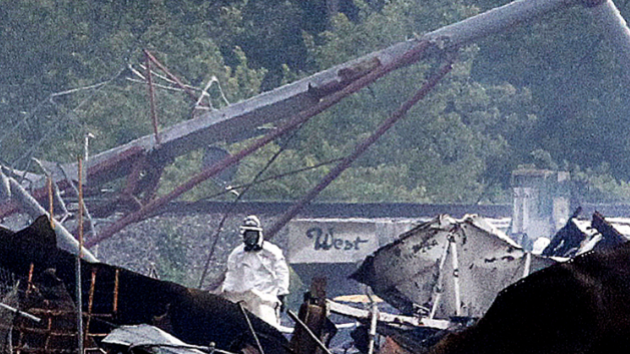
Last Wednesday's explosion at a West, Texas, fertilizer plant, which left at least 15 people dead and more than 100 injured, was made possible by an ultra-lax state and federal oversight climate that make inspections of such facilities all but a rubber-stamp process—when they even happen. If the chemical lobby and its allies in Congress get their way, a regulatory process dismissed by environmental activists and labor unions as extremely weak would be watered down even more.

Ted Cruz, Bill Flores Asked For Federal Aid After Texas Explosion, But Voted Against Sandy Relief

A pair of Republican lawmakers who voted against federal aid in the aftermath of Hurricane Sandy are now looking for federal aid in the wake of the deadly explosion in West, Texas.

Texas Sen. Ted Cruz lambasted the Sandy Aid package, voting against the measure in January. Cruz issued a statement explaining that he voted against the aid because it included a number of spending measures that were not related to disaster relief, including "Smithsonian repairs, upgrades to National Oceanic and Atmospheric Administration airplanes, and more funding for Head Start."

Friday, April 19, 2013

Texas Plant May Not Have Been Inspected in Years, Despite Risks

As the news of the deadly explosion at the West Fertilizer Company plant in West, Texas, has unfolded, journalists and observers wasted no time in wondering if anyone could have seen this catastrophe coming.

The Dallas Morning News reported that the West facility had claimed in an emergency planning report that an explosion of the kind that happened Wednesday would be virtually impossible. However, further analysis of this report shows that it contained other red flags about potential hazards and shoddy equipment. The plant's June 2011 risk management plan (RMP), filed with the Environmental Protection Agency, identified several potential hazards, including equipment failure; toxic release; overpressure, corrosion, or overfilling of equipment; an earthquake; or a tornado.

West Fertilizer Co. Told The EPA There Was 'No' Risk Of Explosions: Report

Officials at the West Fertilizer Co. plant where a massive explosion killed as many as 15 people and injured more than 160 on Wednesday told the Environmental Protection Agency and local authorities that the factory presented no risk of explosion.

The company wrote that there was “no” risk of fire or explosion on a required emergency planning report, according to a review of the documents by the Dallas Morning News.

Thursday, April 18, 2013

Agency That Investigates Plant Explosions "Grossly Mismanaged"
On April 2, 2010, an explosion at the Tesoro Corp. oil refinery in Anacortes, Washington, killed five workers instantly and severely burned two others, who succumbed to their wounds.

Eighteen days later, the Deepwater Horizon drilling rig blew up in the Gulf of Mexico, killing 11 workers and unleashing a massive oil spill.

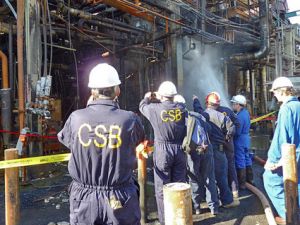
In both cases, the US Chemical Safety Board—an independent agency modeled after the National Transportation Safety Board—launched investigations. Like the NTSB, the Chemical Safety Board is supposed to follow such probes with recommendations aimed at preventing similar tragedies.