Democracy Gone Astray

Democracy, being a human construct, needs to be thought of as directionality rather than an object. As such, to understand it requires not so much a description of existing structures and/or other related phenomena but a declaration of intentionality.
This blog aims at creating labeled lists of published infringements of such intentionality, of points in time where democracy strays from its intended directionality. In addition to outright infringements, this blog also collects important contemporary information and/or discussions that impact our socio-political landscape.

All the posts here were published in the electronic media – main-stream as well as fringe, and maintain links to the original texts.

[NOTE: Due to changes I haven't caught on time in the blogging software, all of the 'Original Article' links were nullified between September 11, 2012 and December 11, 2012. My apologies.]

Showing posts with label Eric Schneiderman. Show all posts

Monday, May 06, 2013

New York AG: Wells Fargo, BofA Violated National Foreclosure Settlement

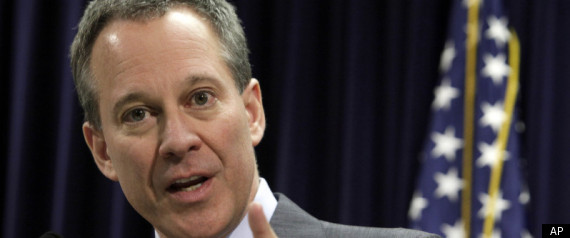
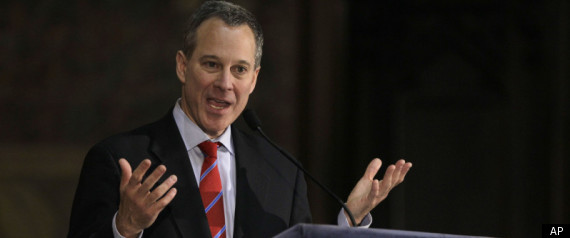
New York Attorney General Eric Schneiderman said Monday he may sue Wells Fargo and Bank of America for allegedly violating the terms of last year’s multi-state mortgage settlement, despite questions over his authority to do so.

The agreement, reached by the Department of Justice, Department of Housing and Urban Development and 49 state attorneys general, called for the five largest mortgage companies to significantly revamp their procedures for dealing with distressed borrowers. It called on them to provide billions of dollars in aid to those borrowers and change the way they pursue home repossessions, in exchange for prosecutors dropping legal claims that the companies systematically violated borrowers’ rights when using faulty, so-called “robosigned” documents in foreclosure proceedings.

Friday, February 03, 2012

Eric Schneiderman Sues BofA, Wells Fargo, JPMorgan Chase Over Electronic Mortgage Fraud

Three big banks were hit on Friday with yet another lawsuit related to wrongful foreclosures. Democratic New York Attorney General Eric Schneiderman filed suit against Bank of America, JP Morgan Chase and Wells Fargo for deceptive and fraudulent use of a private database used to register mortgages, according to a Friday press release from his office.

Schneiderman has been outspoken in urging the Obama administration to hold the nation's largest financial institutions accountable for their role in the foreclosure crisis, notably hesitating to join a larger nationwide case against the country's five largest banks for mortgage fraud. States now have until Monday, according to the Iowa attorney general's office, to decide to join that deal.

The New York attorney general has yet to announce whether New York will participate in the deal because of concerns that joining the settlement would make it impossible for him to file his own, state-based lawsuits against the banks, said sources close to the negotiations who spoke on the condition of anonymity. The decision to bring this lawsuit on Friday indicates that the larger nationwide settlement is now more to Schneiderman's pleasing, said a source familiar with the discussions.

"If the deal terms had been decided six months ago, a state couldn't have pursued this kind of lawsuit," said the source. "The fact that Schneiderman has filed this case suggests that the terms of the deal have changed since then."

Wednesday, February 01, 2012

Eric Schneiderman: The Right Man, the Right Moment

In his State of the Union address last week, President Obama announced what Robert Kuttner, co-editor of The American Prospect, describes as maybe “the most fateful political and economic development of the election year”—the formation of an interagency task force to finally investigate the mortgage and lending practices that led to the collapse of the economy and trillions of dollars in lost wealth, with New York Attorney General Eric Schneiderman named as co-chair.

It remains to be seen whether Schneiderman will be given the extensive resources and manpower he needs to conduct a thorough and aggressive investigation, or if the Wall Street faction within the Administration will stonewall the process. But I’m confident in this: Schneiderman is the right man for the job, and he’s not about to let himself be co-opted for the president’s re-election bid. Throughout his career he’s been a steadfast champion of causes because they are right, not because they are popular or politically expedient. He’s been successful because he works to move voters closer to his positions, and sets a course toward a better future and better possibilities. If he’s being obstructed, he’ll let people know.

Already, Schneiderman and a few other State Attorneys General have protected the people’s interests by drawing a firm line during negotiations between the federal government, the bankers and their fellow attorneys general on a foreclosure settlement. When most were ready to cave and grant the Big Banks wide immunity—putting their egregious and likely fraudulent behavior into a sealed box never to be examined—Schneiderman refused to sign on, even when he was kicked out of the negotiations. Although no deal is yet finalized, early indications are that it will be a far better one for the public than anyone anticipated, leaving the bulk of bad behavior on the table for possible prosecution (including the securitization and peddling of toxic mortgages, mortgage origination fraud, foreclosure mills and other acts of malfeasance.)

Thursday, December 01, 2011

New York AG Eric Schneiderman Investigating Foreclosures On Active-Duty Military Members

New York Attorney General Eric Schneiderman is launching an investigation into possibly illegal foreclosures on homes owned by members of the military and their families, Shahien Nasiripour of the Financial Times reports.

The investigation is part of a broader probe by Schneiderman to investigate the mortgage practices of major banks, a person familiar with the matter told Bloomberg.

About 5,000 homes owned by active-duty members of the military and their families may have been foreclosed on by 10 leading lenders in violation of the Servicemembers Civil Relief Act, which aims to protect members of the military from financial distress, according to data released last week by the Office of the Comptroller of the Currency.

Bank of America and Morgan Stanley reached deals with the Justice Department earlier this year to settle claims that they foreclosed on more than 175 active-duty servicemembers without court orders.

Wednesday, August 24, 2011

New York Attorney General Kicked Off Government Group Leading Foreclosure Probe

WASHINGTON -- New York Attorney General Eric Schneiderman on Tuesday was kicked off the committee leading the 50-state task force charged with probing foreclosure abuses and negotiating a possible settlement agreement with the nation's five largest mortgage firms, according to an email reviewed by The Huffington Post.

Schneiderman was one of roughly a dozen state attorneys general leading the talks with the five companies, alongside representatives of the U.S. Department of Justice, the Department of Housing and Urban Development and other federal agencies. The government launched the negotiations in the spring after widespread reports of foreclosure irregularities, such as so-called "robo-signing" and illegal home seizures, emerged.

Thursday, June 30, 2011

New York's AG Takes on the Banks

The most powerful Wall Street banks are used to getting their own way, especially with politicians, but New York’s attorney general is trying to turn the tables on them. Eric Schneiderman is digging into the accumulating evidence of massive fraud and false documentation revealed by the foreclosure mess and asks a potentially explosive question: How bad is it?

The answer could prove devastating for some of the largest financial institutions in the land, confronting them with huge new losses and maybe renewing the banking crisis the Obama administration thought it had resolved. Perhaps that’s why law-enforcement agencies, state and federal, have not undertaken a thorough investigation of the scandal—they’re afraid of what they might find. The newly elected New York AG has been obliquely warned that his inquiry could “blow up the economy,” but he ignores the scare talk. If the evidence is there, it should definitely put the banks on the defensive, for a change.

In recent months, Schneiderman’s office has dispatched requests for records and information from seven of the biggest banks (Bank of America, JPMorgan Chase, Wells Fargo, Goldman Sachs, UBS, Royal Bank of Scotland and Deutsche Bank). One way or another, they were the leading players in the housing bubble, either by originating subprime mortgages of dubious quality or by packaging the mortgage-backed securities that turned into toxic assets for unwitting investors.

Schneiderman has further requested information from four bond insurers that backed the investment paper, a Buffalo law firm known as a mortgage mill and two private equity firms that owned processing firms in the mortgage market. Most important, however, is his request to see files from the two leading banks—Deutsche Bank and Bank of New York Mellon—that acted as trustees for the mortgage securities, certifying that all complied with property-law requirements and provided the proper documentation.

The storm of foreclosure litigation during the past year strongly suggests the opposite. Around the country, lawyers for homeowners have won scores of cases blocking banks from foreclosing on their clients. Courts have held that mortgages or securities were fatally flawed and therefore void. Banks filed false affidavits and unsupported documents, in effect defrauding the courts. When judges asked for backup evidence of ownership, lawyers went to the trustees and found that the mortgages and liens were not in the files. Bankers couldn’t prove they owned the homes they were seizing. Often they couldn’t even establish who owned the loans or whether borrowers were actually in default. Many documents were signed by untrained functionaries who didn’t bother to examine what they were signing.

Full Article
Source: The Nation