Democracy Gone Astray

Democracy, being a human construct, needs to be thought of as directionality rather than an object. As such, to understand it requires not so much a description of existing structures and/or other related phenomena but a declaration of intentionality.
This blog aims at creating labeled lists of published infringements of such intentionality, of points in time where democracy strays from its intended directionality. In addition to outright infringements, this blog also collects important contemporary information and/or discussions that impact our socio-political landscape.

All the posts here were published in the electronic media – main-stream as well as fringe, and maintain links to the original texts.

[NOTE: Due to changes I haven't caught on time in the blogging software, all of the 'Original Article' links were nullified between September 11, 2012 and December 11, 2012. My apologies.]

Showing posts with label Tech Companies. Show all posts

Thursday, July 26, 2018

Big Tech’s biggest weakness is its biggest strength

Big Tech’s money-making machine — its billion-dollar digital advertising empire — is quickly becoming its Achilles’ heel.

Executives from Facebook, Twitter and Alphabet (Google’s parent company) are heading to Capitol Hill Tuesday and Wednesday to testify at three separate U.S. congressional hearings about the role of Russian-backed ads in potentially swaying last year’s presidential vote. Accusations about similar activity also routinely sprung up during Europe’s busy electoral season in 2017, with digital misinformation and other false reports going viral on social media.

Thursday, June 25, 2015

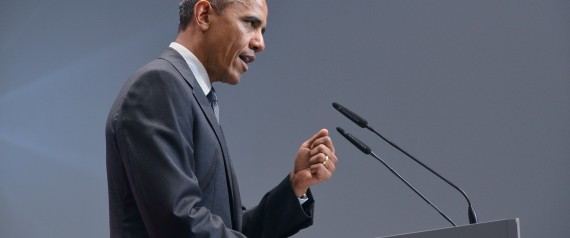
U.S. Tech Industry Warns Obama To Leave Encryption Alone

WASHINGTON, June 9 (Reuters) - Top U.S. tech companies are warning the Obama administration against imposing new policies that the companies say would weaken increasingly sophisticated encryption systems designed to protect consumers' privacy.

In a strongly worded letter to President Barack Obama on Monday, two industry associations representing major software and hardware companies said, "We are opposed to any policy actions or measures that would undermine encryption as an available and effective tool."

Monday, May 18, 2015

Study: Top Tech Firms Bypassing Asian Workers For Exec Jobs

SAN FRANCISCO (AP) — Google, Yahoo and other major technology companies are far more inclined to hire Asians as computer programmers than to promote them to become managers or executives, according to a study released Wednesday.

The analysis uncovered a glaring imbalance between the number of Asian technology workers in non-management jobs and the number in leadership positions in Silicon Valley.

Ascend, a group focused on Asian business issues, based its conclusions on 2013 data filed with U.S. employment regulators by five Silicon Valley companies — Google Inc., Yahoo Inc. Intel Corp., Hewlett-Packard Co. and LinkedIn Corp.

Tuesday, March 10, 2015

Why This Tech Bubble Is Worse Than the Tech Bubble of 2000

Ah the good old days. Stocks up $25, $50, $100 more in a single day. Day trading was all the rage. Anyone and everyone you talked to had a story about how they had made a ton of money on such and such a stock. In an hour. Stock trading millionaires were being minted by the week, if not sooner.

You couldn't go anywhere without people talking about the stock market. Everyone was in or new someone who was in. There were hundreds of companies that were coming public and could easily be bought and sold. You just pick a stock and buy it. Then you pray it goes up. Which most days it did.

Wednesday, October 15, 2014

The Wage Gap Makes Perfect Sense When Tech Executives Say What They Really Think About Women

Last week, Microsoft CEO Satya Nadella sparked a firestorm of criticism for comments he made at a women-in-tech conference in which he suggested that employees who feel underpaid should wait it out rather than ask for more money. But he went even further, saying something many headlines missed: a woman who doesn’t ask for a raise, he added, is “the kind of person that I want to trust. That’s the kind of person that I want to really give more responsibility to.” Executive to pushy women who ask for more: Could you not?

Monday, March 24, 2014

NSA: Tech Companies Knew About PRISM The Whole Time

Since leaked documents revealed that Internet companies like Apple, Facebook and Google were giving the National Security Agency vast access to people's online information under a scheme codenamed PRISM, those Silicon Valley titans have taken pains to deny participation in such a program.

But now, the NSA's top lawyer says that just isn't true.

When asked at a hearing on Wednesday whether tech companies knew about and assisted with PRISM's data collection, Rajesh De, the NSA's general counsel, said "Yes."

Friday, March 14, 2014

Tech-Sector Neoliberalism Isn’t the Answer to America’s Inequality Problem

Eric Schmidt is the chairman of Google. Last year, he raked in compensation totaling over $100 million from the company, adding to his net worth of over $8 billion. According to The New York Times, Schmidt owns “a Gulfstream V, a 195-foot yacht and multiple homes across the country including a new $22 million Hollywood mansion.”

Last week, he addressed the SXSW conference on the topic of economic inequality—I mean, who better, right? He proposed three basic fixes for the problem.

One is strengthening the safety net for the less well-off. I am definitely with him there. The United States is one of the richest societies the world has ever known, but it has a remarkably ungenerous welfare state. So, so far we’re good. The war on poverty worked, and it would work even better if programs like food stamps, Medicaid and the EITC were expanded.

Tuesday, December 10, 2013

NSA Spying Has Tech Companies Worried About Their Most Precious Thing

Big technology companies are seeing signs that the public's worries about government spying are a threat to their future profits, analysts say.

These concerns haven't started to hit their bottom lines quite yet. But critical international growth, particularly for businesses selling cloud-based products, has become more challenging after the disclosures this summer about the National Security Agency's methods, which reportedly include obtaining data from big tech companies.