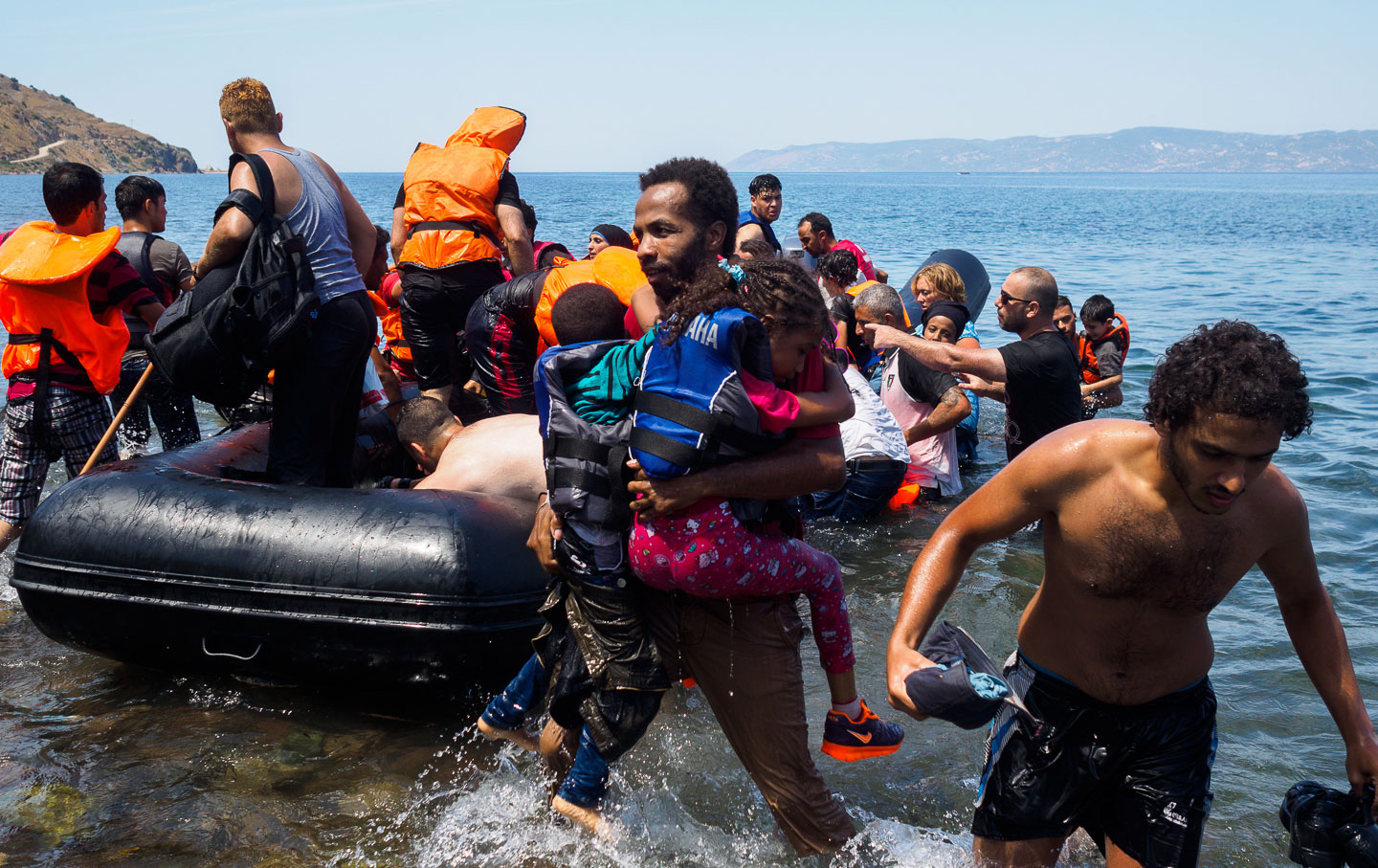
Lesbos, Athens, and northern Greece—In the baking midday August heat on the Greek island of Lesbos, Ziad Mouatash bounces out of an overcrowded inflatable raft and touches EU soil for the first time. The 22-year-old from Yarmouk—the Palestinian refugee camp on the edge of Damascus that has been besieged and bombed since 2012 by Bashar al-Assad’s forces and recently invaded by ISIS and the Al Qaeda–affiliated Nusra Front—hugs everyone around him, ecstatic to be alive.
Democracy Gone Astray
Democracy, being a human construct, needs to be thought of as directionality rather than an object. As such, to understand it requires not so much a description of existing structures and/or other related phenomena but a declaration of intentionality.
This blog aims at creating labeled lists of published infringements of such intentionality, of points in time where democracy strays from its intended directionality. In addition to outright infringements, this blog also collects important contemporary information and/or discussions that impact our socio-political landscape.
All the posts here were published in the electronic media – main-stream as well as fringe, and maintain links to the original texts.
[NOTE: Due to changes I haven't caught on time in the blogging software, all of the 'Original Article' links were nullified between September 11, 2012 and December 11, 2012. My apologies.]
Showing posts with label Eurozone. Show all posts
Friday, September 04, 2015
Thursday, August 27, 2015
Déjà Vu: Germany Tightens Its Economic Power Over Europe
Germany's leaders herded their European counterparts into imposing harsh austerity on Greece. It was the price, they insisted, that Greece had to pay to receive bailout credits from the European Union, European Central Bank and International Monetary Fund (IMF). The Europeans required those bailout credits to be used mostly to pay back loans the Greek government had gotten earlier from private banks (chiefly German, French and Greek). Those credits could not be used to get Greece out of the 2008 crash that afflicted all of Europe.
Wednesday, July 29, 2015
Merkel 'gambling away' Germany's reputation over Greece, says Habermas
Jürgen Habermas, one of the intellectual figureheads of European integration, has launched a withering attack on the German chancellor, Angela Merkel, accusing her of “gambling away” the efforts of previous generations to rebuild the country’s postwar reputation with her hardline stance on Greece.
Speaking about the bailout deal for the first time since it was presented on Monday, the philosopher and sociologist said the German chancellor had effectively carried out “an act of punishment” against the leftwing government of Alexis Tsipras.
The Real Reasons Francois Hollande Wanted To Keep Greece In The Eurozone
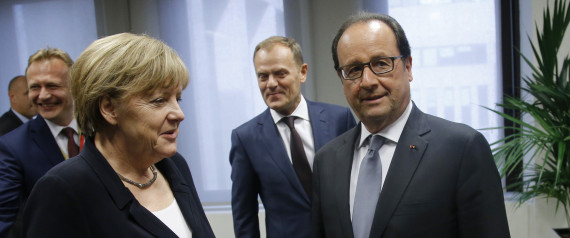
Before the agreement between Greece and its creditors was even official, European centrists' leader Guy Verhofstadt paid tribute to French President François Hollande for his role in the talks. “France played an important, constructive and positive role in these negotiations,” Verhofstadt said Monday on France Inter, just minutes before the European Council’s president announced that the 19 eurozone nations had unanimously agreed to the conditions for Greek aid.
How Germany Beat Greece In Liar's Poker
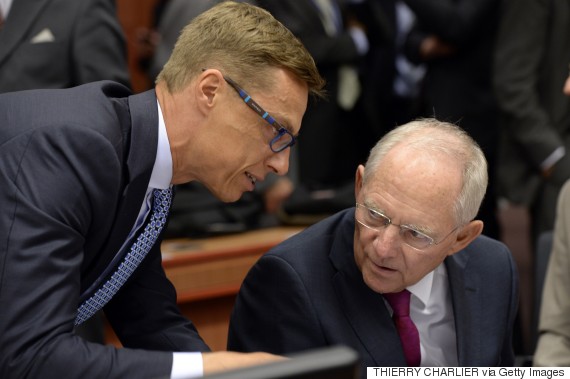
Many observers are wondering how the left-populist renegades of Greece's Syriza party, which rose to power in January on the promise of delivering relief from austerity and renewed its mandate with a massive victory in the July 5 referendum, managed to negotiate a bailout deal on Monday that is substantially worse than what was available to Greece before Syriza took office.
The answer is surprisingly simple. Syriza forewent its only potential leverage over Greece’s creditors: the willingness to go through with a “Grexit,” or a Greek exit from the eurozone. Greece was not prepared to shoot the proverbial hostage in negotiations with Germany and the other eurozone nations. In fact, the Greek government was not even ready for the possibility of a Grexit if it was forced on them.
Saturday, July 25, 2015
Greek Voters to Eurozone: We Can’t and Won’t Do This Anymore
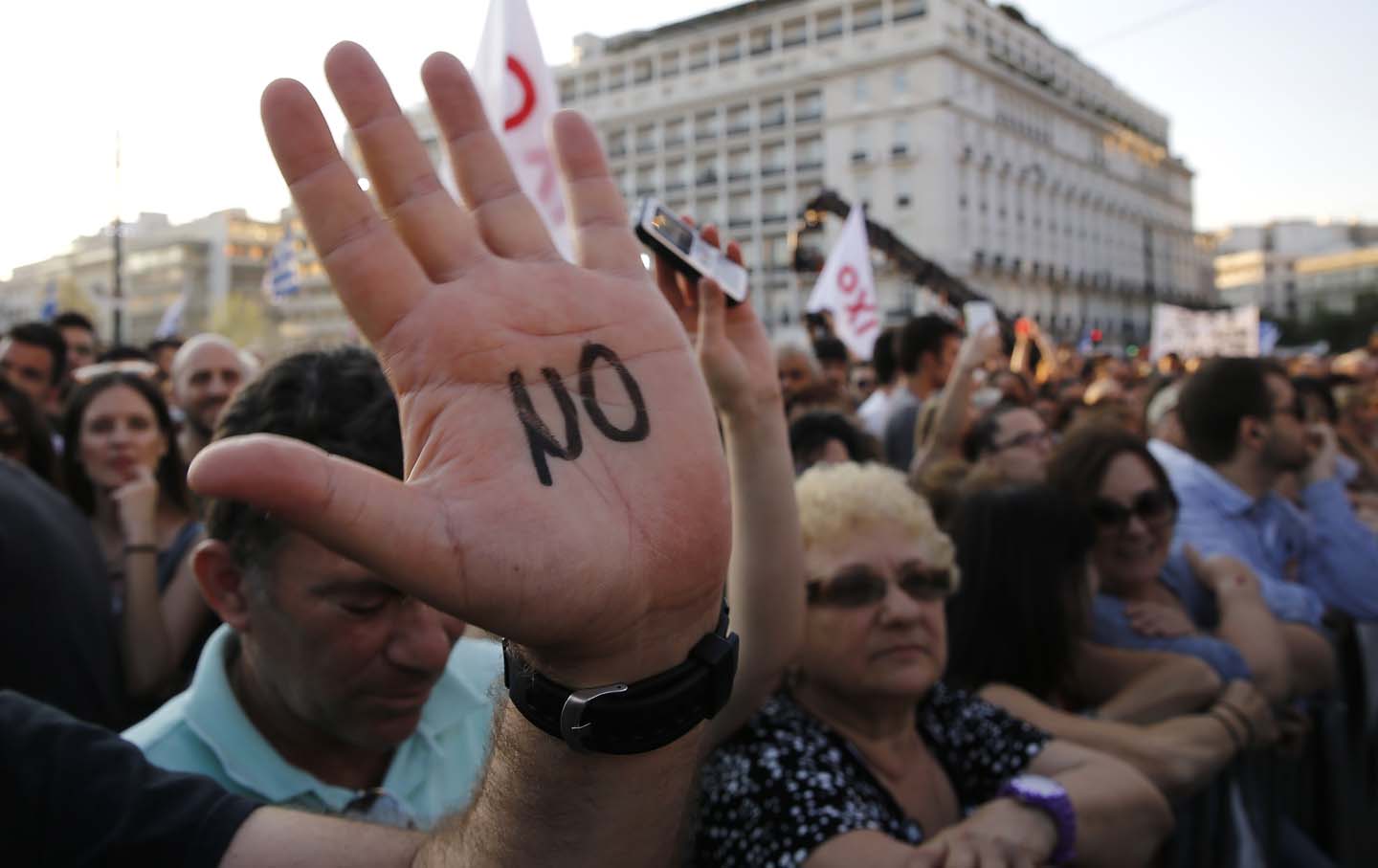
Athens—Making history means not knowing what comes next. I knew that in theory, but I hadn’t known what it feels like until these last two days in Greece. Nor had I understood how an unimaginably complex and confusing landscape can crystallize, through a formal (if flawed) democratic process, into something that looks like an expression of national will—and in that shape become a player on the world stage.
Overspending, Austerity, Euro's Flaws: Why $335 Billion In Bailouts Failed To Save Greece
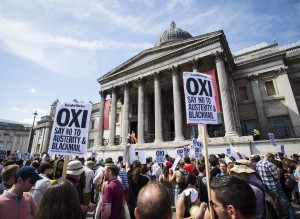
FRANKFURT - After two bailouts totalling 240 billion euros ($335 billion Cdn) and six years of depression, spending cuts and lost jobs, Greece teeters on the edge of collapse.
How did it come to this? Why couldn't all that money and all that sacrifice turn around a country that makes up less than two per cent of the 19-country eurozone economy?
On Sunday the country will hold a referendum on whether or not to accept the tough creditor conditions attached to loans needed to avoid default and a banking collapse.
Tuesday, June 30, 2015
Angela Merkel Will Be Responsible For A Greek Exit From The Eurozone

If Greece leaves the eurozone in the coming days, it will be the result of decisions made by German Chancellor Angela Merkel, more than any other institution or leader.
Although Greece has been negotiating with a so-called "troika" of institutional creditors -- the International Monetary Fund, the European Central Bank and the European Commission, which represents the eurozone nations -- Germany is widely believed to be the creditor whose views are most decisive. The country is the single largest creditor in the series of bailout payments that the troika has provided to Greece since 2010. As such, Germany under Merkel’s leadership has been the lead architect of the loans-for-austerity policy Europe has used to manage the Greek debt crisis.
Saturday, June 27, 2015
Europe's Far-Right Parties Form Group In EU Parliament
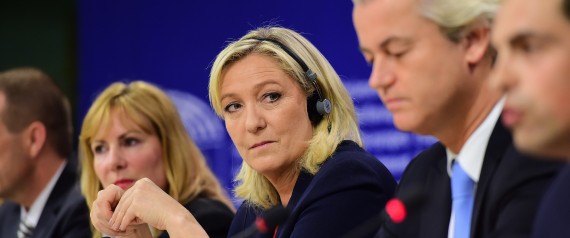
BRUSSELS (AP) — A coalition of far-right, anti-immigrant parties in the European Parliament announced Tuesday they are uniting to form a political group under the leadership of France's National Front chief Marine Le Pen.
Tuesday's move of the National Front, the Dutch PVV of Geert Wilders, Austria's Freedom Party, Italy's Northern League and the Belgian Flemish Interest Party will give them more clout in the European Union legislature and add more of an anti-EU flavor to its proceedings. The group will also push its strong the anti-immigrant agenda.
Thursday, June 25, 2015
Europe Warns Greece That Time Is Running Out For A Deal
BRUSSELS (AP) — International creditors sent Greek Prime Minister Alexis Tsipras home from a summit Thursday with a clear message: swiftly tone down your demands in the bailout talks over the next week or face financial ruin.
The International Monetary Fund took the toughest stance, saying it was bringing its negotiators back to Washington as there had been no sign of compromise.
Saturday, May 09, 2015
Greece Battles To Avert Catastrophic Funding Crunch
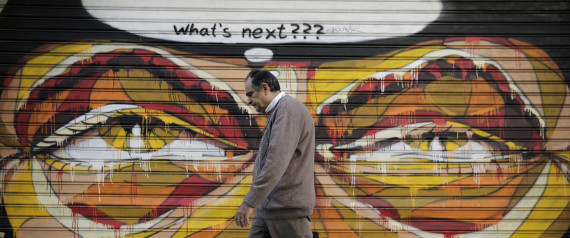
ATHENS/BRUSSELS, May 5 (Reuters) - Greece blew hot and cold with its euro zone partners on Tuesday as it struggled to avert a potentially catastrophic funding crunch this month, when it must make a big debt repayment to the IMF as cash reserves dry up.
Finance Minister Yanis Varoufakis said after talks in Paris and Brussels that he expected euro zone finance ministers to acknowledge next Monday progress towards a cash-for-reform deal, opening the way to easing Athens' liquidity crisis.
Wednesday, April 29, 2015
Greece Under Fire From Creditors As Bailout Talks Drag On
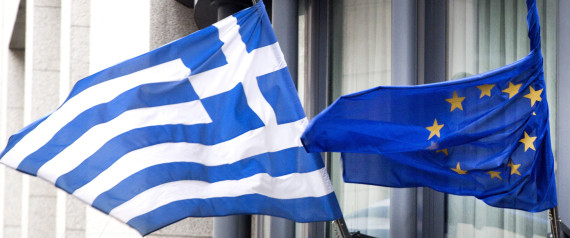
RIGA, Latvia (AP) — Greece's European creditors sought to douse talk that they are making plans for a potential Greek exit from the euro and expressed hope Saturday that recent criticism may prompt the country to push ahead with an economic reform plan needed to unlock rescue loans.
In the Latvian capital of Riga, the eurozone's top official, Jeroen Dijsselbloem, said he hoped "some extra urgency" will be injected into the process following the "critical" meeting of the eurozone's 19 finance ministers the day before.
Monday, March 30, 2015
Greece submits reform proposals to eurozone creditors – with a warning
Greece submitted a long-awaited list of structural reforms to its creditors on Friday as its leftist-led government warned it would stop meeting debt obligations if negotiations failed and aid was not forthcoming.
As officials from the EU, the European Central Bank (ECB) and the International Monetary Fund (IMF) prepared to pore over Athens’s latest proposals, the country’s international economic affairs minister, Euclid Tsakalotos, raised the stakes, saying while Greece wanted an agreement it was prepared to go its own way “in the event of a bad scenario”.
Monday, March 16, 2015
Letter From Berlin: Why Are the Germans So Hellbent on Austerity?
Berlin—Weimar-era hyperinflation, Prussian thrift, the staggering cost of German unification: These explanations, among others, are regularly trotted out (by outsiders) to explain Germany’s unflinching tight-money policies—at a time when Europe is staring deflation in the eye.
Yet if you ask around in Berlin and Brussels, you’ll get no single answer (and zero allusions to Weimar or Prussia) to the question that so perplexes: Why is Germany so stubborn in its insistence that Greece—and all of Europe—stick to suffocating austerity and restrictive monetary policies when the continent is teetering on the brink of another recession?
Thursday, February 26, 2015
Palast to Syriza: Don't Lie, It's Impossible to End Austerity Within the Eurozone
This interview was conducted in late January 2015 and remains relevant because it reflects Greg Palast's views regarding Syriza's positions, how Syriza should respond to the demands of the troika and what other options might exist for Greece, including a possible "Grexit."
Renowned investigative journalist and bestselling author Greg Palast explains why he believes Syriza cannot deliver on its economic platform while keeping Greece within the eurozone and why the euro is harmful for the Greek economy. He also provides insights regarding the role of Goldman Sachs in perpetuating the Greek economic crisis, and on the proposed Transatlantic Trade and Investment Partnership (TTIP).
Friday, February 20, 2015
Is Syriza Retreating?
To use a worn-out cliché, “the times are critical.” In fact, they are more than just that: we are at the edge of a crucial temporal sequence. The whole endeavor of a Syriza government will be judged by its reaction to the unprecedented blackmail and ultimatums it is receiving from its tragically misnamed European “partners.”
And the news from the frontline is not pleasant. To be sure, it is very difficult to have a clear view of the current status of the negotiations — “negotiations” being a oxymoron given the sheer asymmetry in the balance of forces, and the fact that one side has a gun (the European Central Bank’s) pointed at its head. What is clear, however, is that the Greek government has backtracked on crucial aspects, especially concerning its commitments towards the people that brought it into office.
Germany Softens Tone Ahead Of Crucial Greek Debt Talks
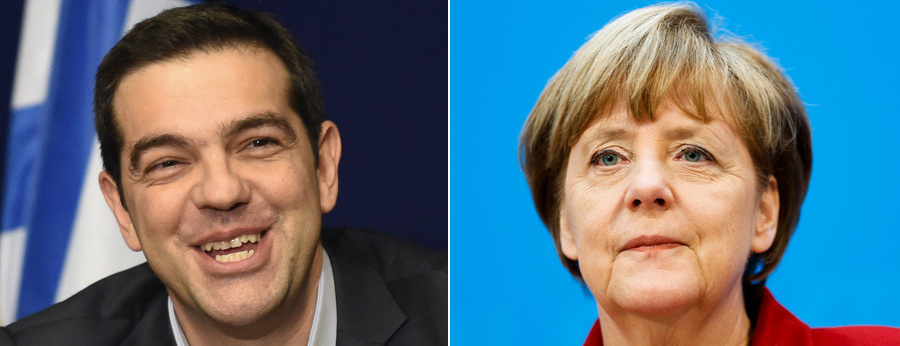
BRUSSELS/ATHENS, Feb 20 (Reuters) - European Union paymaster Germany softened its tone on Friday as euro zone finance ministers raced to break a deadlock over Athens' debts.
Hours ahead of the crunch talks in Brussels, a senior Greek official said a deal was close. Germany said Greece's latest proposal was a "good signal" although it did not go far enough in its present form.
Tuesday, February 04, 2014
Corruption Costs European Union $162 Billion Each Year
BRUSSELS (AP) — An EU report says corruption affects all 28 member countries of the European Union and costs their economies around 120 billion euros ($162.19 billion) a year.
The report, the EU's first on corruption, was issued Monday by European Commissioner Cecilia Malmstrom.
The report, summarized in a news release before publication, finds that EU member states have taken many steps in recent years to fight corruption, but that the results are uneven and that more needs to be done.
Malmstrom said in a statement that "Corruption undermines citizens' confidence in democratic institutions and the result of law, it hurts the European economy and deprives states of much-needed tax revenue.
"Member states have done a lot in recent years to fight corruption, but today's report shows that it is far from enough."
Original Article
Source: huffingtonpost.com/
Author: AP
The report, the EU's first on corruption, was issued Monday by European Commissioner Cecilia Malmstrom.
The report, summarized in a news release before publication, finds that EU member states have taken many steps in recent years to fight corruption, but that the results are uneven and that more needs to be done.
Malmstrom said in a statement that "Corruption undermines citizens' confidence in democratic institutions and the result of law, it hurts the European economy and deprives states of much-needed tax revenue.
"Member states have done a lot in recent years to fight corruption, but today's report shows that it is far from enough."
Original Article
Source: huffingtonpost.com/
Author: AP
Friday, December 20, 2013
EU leaders approve eurozone banking reform deal
EU leaders meeting in Brussels have given their backing to a common set of rules for managing the closure of failing eurozone banks.
Under a plan earlier agreed by finance ministers, a 55bn-euro ($75bn; £46bn) fund will be set up, financed by the banking industry, over 10 years.
The deal is aimed at building an EU banking union that should minimise the need for taxpayer-funded bailouts.
French President Francois Hollande said it would boost investor confidence.
Under a plan earlier agreed by finance ministers, a 55bn-euro ($75bn; £46bn) fund will be set up, financed by the banking industry, over 10 years.
The deal is aimed at building an EU banking union that should minimise the need for taxpayer-funded bailouts.
French President Francois Hollande said it would boost investor confidence.
Monday, June 10, 2013
François Hollande: the eurozone crisis is over
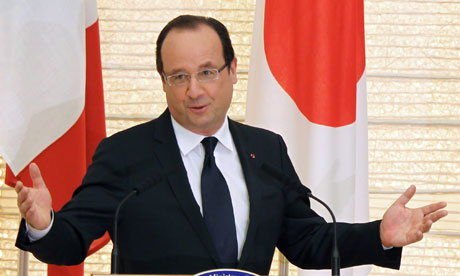
François Hollande, the French president, has declared an end to the eurozone debt crisis, despite record unemployment across the continent.
"You must understand that the crisis in the eurozone is over," Hollande told an audience in Japan during a three-day state visit.
"Europe has become more stable, but it must now be oriented toward growth," he said during a speech in Tokyo. "I believe that the crisis, far from weakening the eurozone, will strengthen it.
"You must understand that the crisis in the eurozone is over," Hollande told an audience in Japan during a three-day state visit.
"Europe has become more stable, but it must now be oriented toward growth," he said during a speech in Tokyo. "I believe that the crisis, far from weakening the eurozone, will strengthen it.
Subscribe to:
Posts (Atom)

