Democracy Gone Astray

Democracy, being a human construct, needs to be thought of as directionality rather than an object. As such, to understand it requires not so much a description of existing structures and/or other related phenomena but a declaration of intentionality.
This blog aims at creating labeled lists of published infringements of such intentionality, of points in time where democracy strays from its intended directionality. In addition to outright infringements, this blog also collects important contemporary information and/or discussions that impact our socio-political landscape.

All the posts here were published in the electronic media – main-stream as well as fringe, and maintain links to the original texts.

[NOTE: Due to changes I haven't caught on time in the blogging software, all of the 'Original Article' links were nullified between September 11, 2012 and December 11, 2012. My apologies.]

Showing posts with label Greenhouse Gases. Show all posts

Friday, May 29, 2015

Stephen Harper Hoping To Silence Critics With New Greenhouse Gas Emission Targets

OTTAWA - Prime Minister Stephen Harper's new greenhouse gas emissions targets may not win him any raves at next month's G7 summit, but it could help him stave off a bit of criticism.

Harper is expected to attend the June leaders' summit where his German hosts will focus on climate change as their neighbour and fellow G7 member, France, prepares to host a major environmental summit in December.
Monday, April 27, 2015

Canada Greenhouse Gas Emissions Continue To Climb: Report

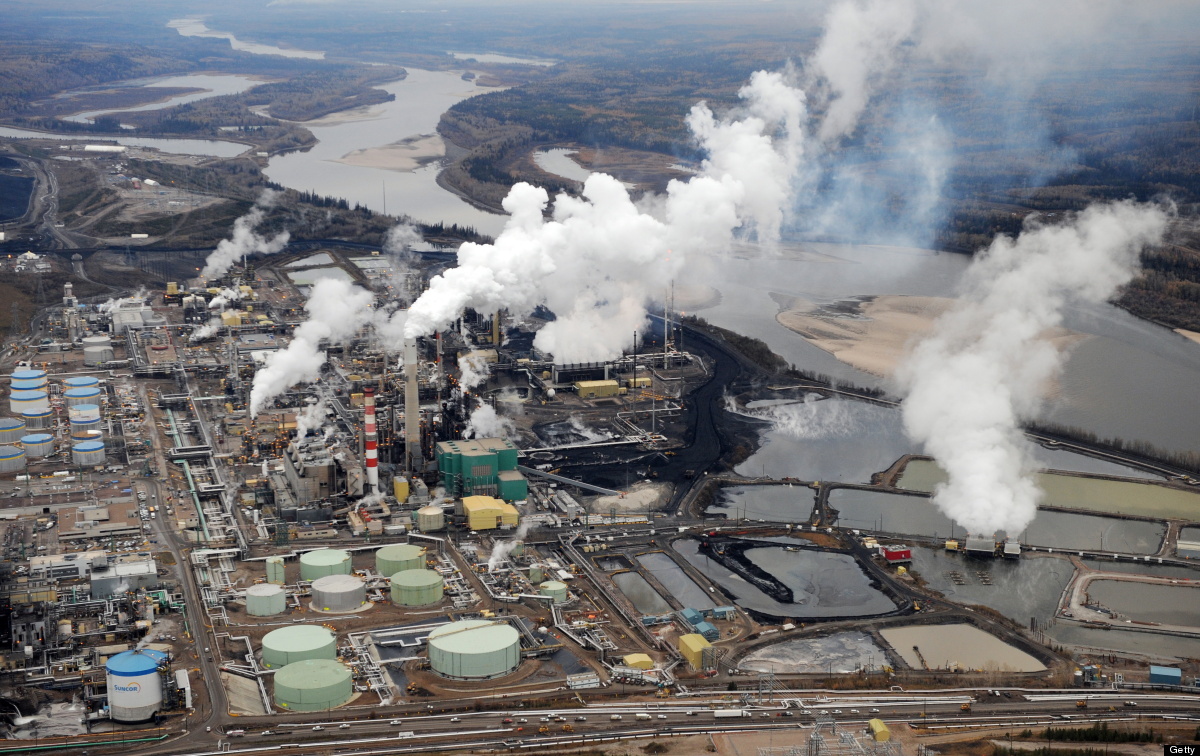
OTTAWA - The latest emissions inventory from Environment Canada shows the country's overall greenhouse gas output climbed 1.5 per cent between 2012 and 2013, continuing a slow, but steady, upward trend since the global recession of 2009.

The report, prepared by Environment Canada and submitted annually to the United Nations Framework Convention on Climate Change, shows 726 megatonnes of emissions in 2013, still three per cent below Canada's output in 2005.

However, under the international Copenhagen Accord signed in 2009, Canada committed to reduce its emissions by 17 per cent below 2005 levels by 2020 — and the trend is now firmly heading the wrong way.

Tuesday, December 16, 2014

Regulating Greenhouse Gas Emissions Isn't Crazy - Harper Is

Here in Lima, Peru at the United Nations climate change talks, I am watching negotiators from impacted countries like the Philippines working earnestly on a new agreement to reduce global climate pollution.

At the same time, I am reading stories back home about Prime Minister Stephen Harper telling the House of Commons yesterday that regulating greenhouse gas emissions from Canada's oil and gas sector would be "crazy."

Harper Rules out Crackdown on Greenhouse Gas Emissions

Falling oil prices have made the possibility of placing restrictions on greenhouse gas emissions for the oil and gas sector a "crazy" endeavour according to Prime Minister Stephen Harper.

Harper said Canada would not unilaterally impose restrictions on the industry.

The prime minister made his assertion during Question Period in the House of Commons Tuesday when, once again, he was pressed by the New Democrats on when emission limits, promised since 2007, would be introduced.

Saturday, April 19, 2014

Oil And Gas Sector Biggest Producer Of Greenhouse Gases In Canada

TORONTO - An environmental analyst says the rise of oil and gas production as Canada's biggest source of greenhouse gas emissions adds further weight to calls for the federal government to bring in long-promised regulations for the oil industry.

The Environment Canada report quietly released Friday reveals the energy sector has now surpassed transportation as the largest generator of the climate-change causing gases.

Saturday, December 07, 2013

Natural Gas Building Spree Cancels Out Emissions We Save From Leaving Coal Behind: Report

WASHINGTON -- Companies are so excited about cheap natural gas that they're on an expansion spree, which might undo some of the good we've done by switching to the cleaner fuel from coal, a new report says.

The low cost of natural gas is largely seen as a net positive for climate change, as burning gas generates lower levels of emissions than burning coal. But an Environmental Integrity Project report released Thursday says that though gas is replacing coal -- the dirtier alternative -- in electric power plants, new industrial projects that use natural gas for feedstock or fuel are now being constructed so quickly that we're probably walking back some of our progress.

Tuesday, November 26, 2013

U.S. Methane Study Says Emissions 50 Percent Higher Than EPA Estimates

WASHINGTON (AP) — The United States is spewing 50 percent more methane — a potent heat-trapping gas — than the federal government estimates, a new comprehensive scientific study says. Much of it is coming from just three states: Texas, Oklahoma and Kansas.

That means methane may be a bigger global warming issue than thought, scientists say. Methane is 21 times more potent at trapping heat than carbon dioxide, the most abundant global warming gas, although it doesn't stay in the air as long.

Tuesday, November 19, 2013

Canada's greenhouse gas stance slammed as COP 19 seeks solutions

The annual United Nations climate conference, known as the 19th Conference of the Parties or COP 19, is underway in Warsaw with considerably less fanfare than years past. Expectations for this one are even lower than usual, after the disappointments and plodding progress of the last few conferences.
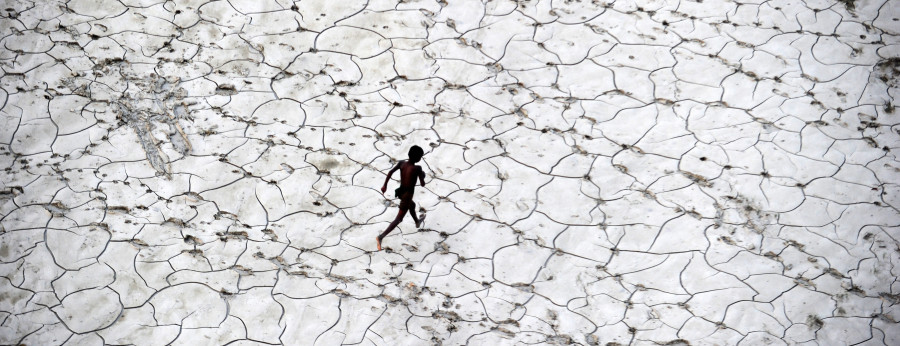
World leaders are backing away from the 2015 target for a global climate treaty to succeed the Kyoto Protocol, and the news for people concerned about climate change has not been encouraging.

Friday, November 08, 2013

Greenhouse gas reduction called threat to oil industry

Alberta's proposed oil and gas regulations are too ambitious and will hobble the Canadian industry's ability to compete, says the industry association in Alberta government documents obtained through provincial freedom of information laws.

The industry group says the proposed regulations won't buy any goodwill and the government should delay their introduction.

Thursday, November 07, 2013

Greenhouse Gas Emissions Reached New Highs In 2012, World Meterological Organization Says

GENEVA, Nov 6 (Reuters) - Atmospheric volumes of greenhouse gases blamed for climate change hit a new record in 2012, the World Meteorological Organisation (WMO) said on Wednesday.

"For all these major greenhouse gases the concentrations are reaching once again record levels," WMO Secretary-General Michel Jarraud told a news conference in Geneva at which he presented the U.N. climate agency's annual Greenhouse Gas Bulletin .

Wednesday, July 03, 2013

Unprecedented ocean acidification from greenhouse gases putting Canadian waters at risk, says report

OTTAWA – Canada’s Atlantic waters may be “particularly vulnerable” to increased carbon dioxide emissions in the atmosphere that are causing “unprecedented” acidification of the planet’s oceans, says a report by scientists at the Department of Fisheries and Oceans.

Quoting from numerous scientific publications, the government report, posted on a website without a formal announcement or news release, noted that the world’s oceans have absorbed a significant amount of carbon dioxide emissions from the atmosphere since the industrial revolution, with profound effects on marine ecosystems that could damage the Canadian economy.

Tuesday, June 11, 2013

Global Carbon Dioxide Emissions From Energy Rose To Record High In 2012, IEA Reports

STOCKHOLM (AP) — The world's energy-related carbon dioxide emissions rose 1.4 percent in 2012 to a record high of 31.6 billion tons, even though the U.S. posted its lowest emissions since the mid-1990s, the International Energy Agency said Monday.

In its annual World Energy Outlook report, the Paris-based IEA said top carbon polluter China had the largest emissions growth last year, up 300 million tons, or 3.8 percent, from 2011. Still, the increase was among the lowest seen in a decade as China continues to invest in renewable energy and energy efficiency.

Monday, May 13, 2013

We've Hit the Carbon Level We Were Warned About. Here's What That Means

This interactive explainer originally appeared on the Guardian website and is reproduced here as part of the Climate Desk collaboration.


Over the last couple weeks, scientists and environmentalists have been keeping a particularly close eye on the Hawaii-based monitoring station that tracks how much carbon dioxide is in the atmosphere, as the count tiptoed closer to a record-smashing 400 parts per million. Thursday, we finally got there: The daily mean concentration was higher than at any time in human history, the National Oceanic and Atmospheric Administration (NOAA) reported Friday.

Saturday, May 11, 2013

Atmospheric CO2 Concentrations Surpass 400 PPM Milestone

Atmospheric concentrations of carbon dioxide surpassed a notable milestone this week.

They reached a daily average above 400 parts per million, reported NOAA, for the first time in human history.

Wednesday, May 01, 2013

400 PPM Atmospheric CO2 Levels Soon To Be Surpassed, Scientists Report

Scientists monitoring global atmospheric carbon dioxide concentrations report that, for the first time in human history, CO2 levels could soon rise above 400 parts per million for a sustained period of time in much of the Northern Hemisphere.

Hourly readings have surpassed 400 ppm in the past week, but daily averages remain just below 400, reported The Guardian. Daily readings are expected to surpass 400 ppm in early May. They will reach their annual peak by mid-month.

Tuesday, April 23, 2013

Alberta Industrial Emissions: Province Accounts For 48 Per Cent Of Canada's Total Greenhouse Gases

Canada's greenhouse gas emissions continue to level off or decline in most sectors - with the exception of the Alberta oilsands.

An annual inventory report submitted by the Harper government to the United Nations last week had federal politicians patting themselves on the back, as they declared themselves the first Canadian government to lower greenhouse gases.

Monday, April 22, 2013

Oilpatch greenhouse gases rise while most other sectors decrease, level-off emissions

Canada's annual heat-trapping greenhouse gases continue to level off or decline in most sectors of the economy, outside of Alberta's oilpatch, says the latest annual inventory report submitted by the Harper government to the United Nations.

The submission, which covers annual emissions across the Canadian economy from 2011, revealed a 0.14 per cent increase in emissions to about 702 million tonnes. But the levels remain about five per cent below 2005 levels, due to structural changes in the Canadian economy that is moving from producing goods to providing services, as well as some federal and provincial policies, the report said.

Wednesday, March 27, 2013

Clean Energy and Experimental Lakes

A few weeks ago I posted a video that outlined a plan by the Rocky Mountain Institute to reduce carbon emissions in the United States to near zero over the next 40 years. Many people don’t think that this is an important goal because they don’t believe that human activity is warming the planet; my goal is to show you why it’s in our best interest to do this even if it turned out that human activity is having no effect on the climate.

Wednesday, March 06, 2013

2012 Rise In CO2 Levels Second-Highest In 54 Years

WASHINGTON — The amount of heat-trapping carbon dioxide in the air jumped dramatically in 2012, making it very unlikely that global warming can be limited to another 2 degrees as many global leaders have hoped, new federal figures show.

Scientists say the rise in CO2 reflects the world's economy revving up and burning more fossil fuels, especially in China.

Sunday, December 02, 2012

UNEP Greenhouse Gas Emissions Report Finds Climate Change Goals Growing More Elusive

Global greenhouse-gas emissions already have passed the point where the worst effects of global warming could be averted, and they are still rising, according to the third annual United Nations report on the so-called emissions gap.

Some countries have made pledges to help reverse this trend by lowering their emissions. However, the report by the U.N. Environment Programme warns that the gap between these pledges and reductions necessary to cap average global warming at 2 degrees Celsius (3.6 degrees Fahrenheit) by 2020 continues to widen.