
The town council listened, and debated, and finally decided. By a margin of 6-1, the seven members voted to join the floodtide of decisions elsewhere to take down another symbol of historic oppression.

 On Monday morning President Obama headed to Alaska—the front lines of climate change—for a trip the White House is calling "a spotlight on what Alaskans in particular have come to know: Climate change is one of the biggest threats we face, it is being driven by human activity, and it is disrupting Americans' lives right now."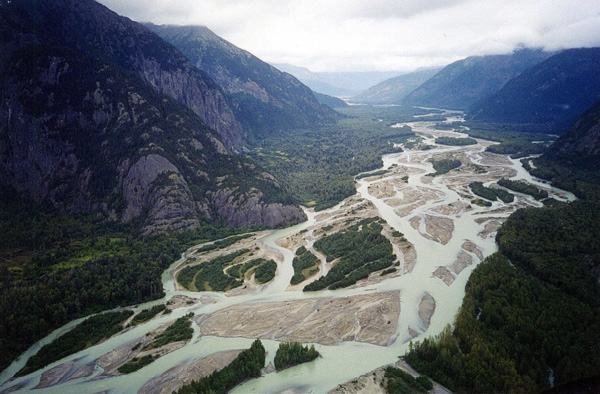


 As the oil giant Shell prepares to begin exploratory drilling in the
Arctic, activists across the world have begun holding protests. The
Obama administration has set a deadline for next month to decide on
whether to grant the final drilling permits. Over the last decade,
Arctic Alaska has become the most contested land in recent U.S. history.
But in addition to oil, natural gas and coal, the Arctic is rich in
biodiversity and has been home to generations of indigenous people for
thousands of years. We’re joined by Subhankar Banerjee, a renowned
photographer, writer and activist who has spent the past decade working
to conserve the Arctic and raise awareness about human rights and
climate change. Banerjee is editor of the newly published book, "Arctic
Voices: Resistance at the Tipping Point," and has just won the 2012
Lannan Foundation Cultural Freedom Award.
As the oil giant Shell prepares to begin exploratory drilling in the
Arctic, activists across the world have begun holding protests. The
Obama administration has set a deadline for next month to decide on
whether to grant the final drilling permits. Over the last decade,
Arctic Alaska has become the most contested land in recent U.S. history.
But in addition to oil, natural gas and coal, the Arctic is rich in
biodiversity and has been home to generations of indigenous people for
thousands of years. We’re joined by Subhankar Banerjee, a renowned
photographer, writer and activist who has spent the past decade working
to conserve the Arctic and raise awareness about human rights and
climate change. Banerjee is editor of the newly published book, "Arctic
Voices: Resistance at the Tipping Point," and has just won the 2012
Lannan Foundation Cultural Freedom Award. Hundreds of indigenous leaders and activists from all across the world
are gathering in New York City this week for the 11th Session of the
United Nations Permanent Forum on Indigenous Issues. We speak with Dalee
Sambo-Dorough, an Inuit from Alaska who teaches political science at
the University of Alaska, Anchorage and serves as vice chair of the
Permanent Forum. Sambo-Dorough discusses the range of hardships faced by
indigenous peoples in Alaska today, from environmental devastation and
threatened land ownership in the Arctic, to rampant sexual violence. "In
various political and economic agendas, indigenous peoples in the
United States are at the bottom of the bottom — they always have been,"
Sambo-Dorough says. "The issues facing Alaskan Native communities,
indigenous communities across the United States never appear on the
radar screen as a priority issue."
Hundreds of indigenous leaders and activists from all across the world
are gathering in New York City this week for the 11th Session of the
United Nations Permanent Forum on Indigenous Issues. We speak with Dalee
Sambo-Dorough, an Inuit from Alaska who teaches political science at
the University of Alaska, Anchorage and serves as vice chair of the
Permanent Forum. Sambo-Dorough discusses the range of hardships faced by
indigenous peoples in Alaska today, from environmental devastation and
threatened land ownership in the Arctic, to rampant sexual violence. "In
various political and economic agendas, indigenous peoples in the
United States are at the bottom of the bottom — they always have been,"
Sambo-Dorough says. "The issues facing Alaskan Native communities,
indigenous communities across the United States never appear on the
radar screen as a priority issue."
 In light of Friday's decision by Standard and Poor's to downgrade the United States' credit rating to AA+, it's worth mentioning again -- as I first did in this Atlantic piece -- that Alaska recently had its bond rating raised to AAA for the first time in the state's history, largely due to fiscal improvements brought about by Sarah Palin while she was governor. The state currently enjoys a $12 billion budget surplus. I was reminded of this fact over the weekend by Ian Lazaren, the indefatigable supporter-cultist behind Conservatives4Palin.com.